How Video Evidence Protects Against False Claims
The average not-at-fault accident costs a fleet $91,000 in litigation, lost productivity, and reputational damage even when the driver did nothing wrong.
Share


The Impact
Measurable Outcomes That Protect Fleets and Drivers
Beyond Rob’s individual case, the operational implicationsfor fleet safety leaders are significant:
False claim defense resolved roadside
No escalation to legal, no retained counsel, no multi-week investigation.
Back-office transparency maintained
Every video request is logged andvisible to fleet managers.
Driver trust and retention protected
When drivers know the system protects them, they stay.
Zero dependency on connectivity
Local-first architecture works in dead zones, rural routes, and areas with no cellular coverage.
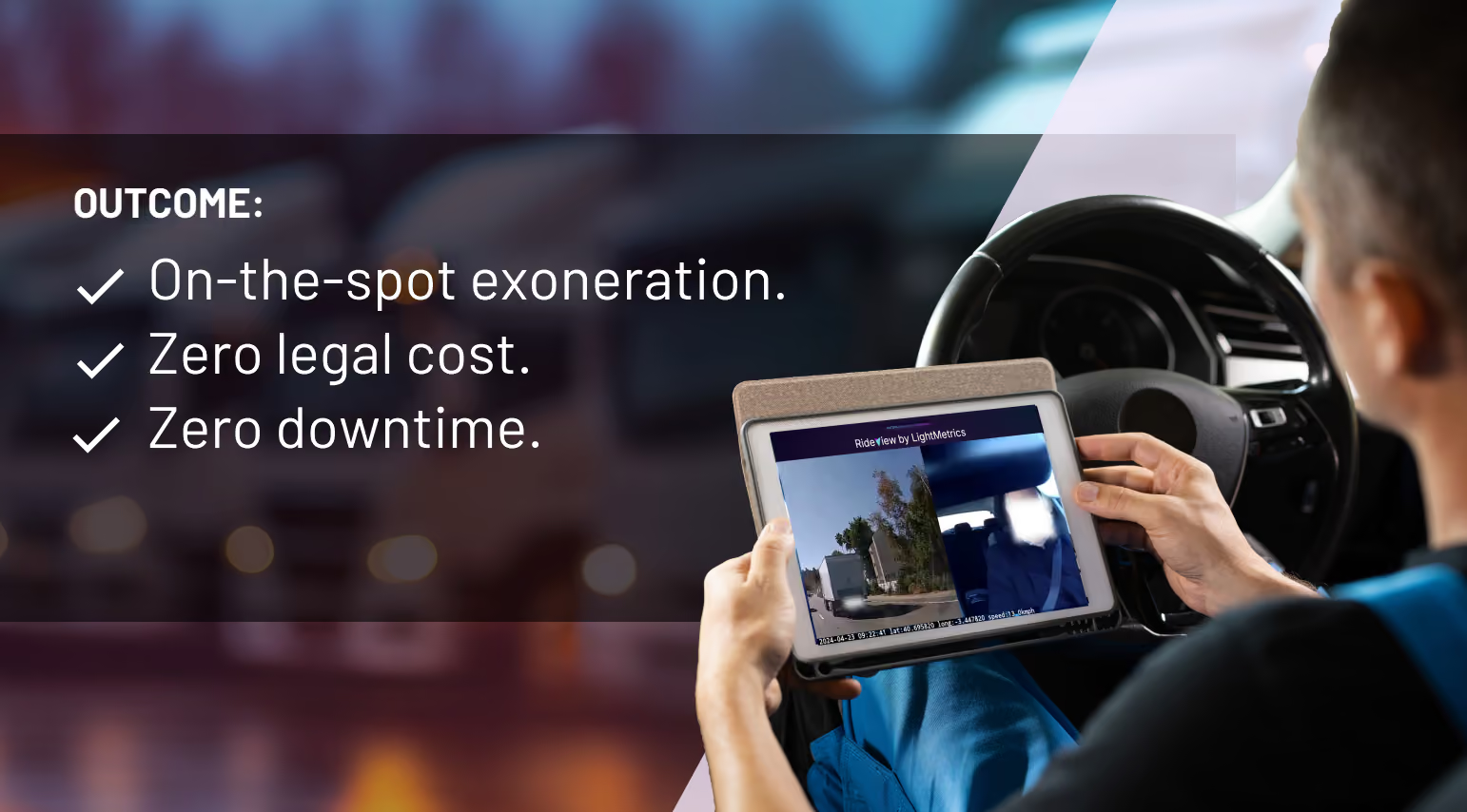
0
Legal Costs Incurred
0
Driver Downtime
<5Min
Time to Exoneration
The Challenge
A False Accusation. No Witness. Twenty Minutes to Arrest.
Fleet managers know the math on false claims:
The average not-at-fault accident costs a fleet $91,000 in litigation, lost productivity, and reputational damage even when the driver did nothing wrong.
For drivers, the stakes are personal:
1. Criminal charges
2. License suspension
3. Career destruction.
Rob Pitcher, a manager at OnTrack Solutions, found himself on the wrong side of that equation. On a rainy afternoon, Rob stopped at a two-way intersection and waited for traffic to clear. As he began moving at roughly two miles per hour, a cyclist riding against traffic collided with his vehicle.
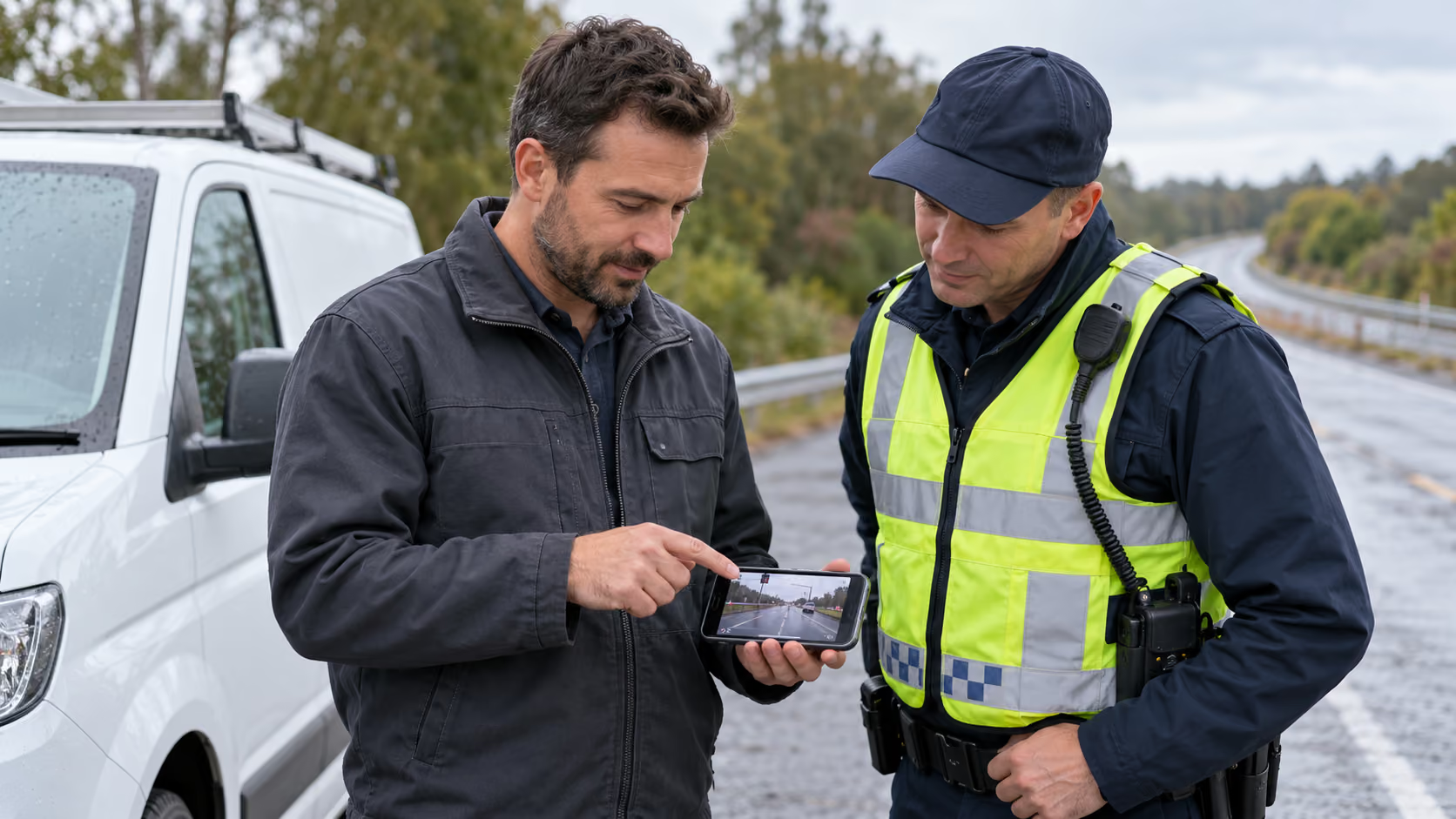
Rob followed every protocol. He checked on the cyclist. He offered to call an ambulance and police. The cyclist,who sustained only minor scrapes refused both and insisted they part ways without involving authorities.Twenty minutes later, Rob was pulled over by law enforcement and accused of a hit-and-run.
With a traditional video telematics system, Rob’s only option would have been to call dispatch, wait for someone to locate the footage in the cloud, and hope it arrived before the handcuffs did. That’s not a safety system. That’s a PRAYER.
“I was in disbelief. I’d done everything right, checked on the cyclist, stayed at the scene, and exchanged information. But here I was, about to be arrested for something I didn’t do.” — Rob Pitcher, Manager, OnTrack Solutions
The Solution
Evidence in the Driver’s Hands. Not in the Cloud Queue.
RideView by LightMetrics inverts the traditional model. Instead of routing all video through dispatch and cloud pipelines, the RideView Companion App gives drivers direct, local access to camera footage on their phone, no network dependency, no intermediary, no delay. Here’s exactly what happened in Rob’s case:
01
Incident occurs
Cyclist collides with Rob’s vehicle at~2 mph. Rob checks on the cyclist.
02
Cyclist refuses help
Declines ambulance, police, and emergency responders. They part ways.
03
False report filed
Twenty minutes later, Rob is pulled over and accused of a hit-and-run.
04
RideView activated
Rob accesses footage directly from the on-device camera.
05
Evidence on spot
Rob scrubs through timestampedfootage and shares with officers.
05
Exoneration
Officers verify Rob’s account. No arrest. No charges. Case closed.
Why LightMetrics
WHY RIDEVIEW
Privacy-First Architecture. Driver-Centric Design.
RideView doesn’t treat drivers as subjects of surveillance. It treats them as the first line of truth.
Three architectural decisions make this possible:
Local-First Access
Footage is retrieved directly from the on-device camera via the Companion App, no cloud upload required, no network dependency. Evidence is available in seconds, not hours.
Tamper-ProofIntegrity
Video stored on the camera cannot be deleted through the app. Every driver video request triggers a back-office notification, creating a transparent audit trail.
Driver Empowerment, Not Surveillance
Drivers access their own footage to protect themselves. The system is designed around trust: safety and truth, not monitoring and control.
The Bigger Picture
Video Telematics OnlyWorks When Drivers Trust It
The fleet industry has a trust problem. Drivers often see cameras as surveillance tools first and safety systems second. That resistance creates operational friction — lower adoption, weaker engagement, higher turnover, and constant pushback against safety programs.
Most video telematics platforms unintentionally reinforce that dynamic. Footage lives in the cloud. Access sits with dispatch. Drivers are expected to trust a system they cannot directly use when they need it most.
Rob Pitcher’s case demonstrated what that looks like in practice:
- Evidence available instantly
- Transparency maintained throughout
- False claim resolved before it became a legal event.
RideView changes that relationship
When drivers can independently access footage, verify events, and protect themselves in real time, the camera no longer feels like an oversight. It starts functioning as operational support.
Conclusion
Faster Access to TruthChanges the Outcome
False claims escalate quickly.
What begins as a roadside incident can become a legal case, an operational disruption, or a career-defining moment for a driver within minutes. In those situations, delayed evidence is often no different from missing evidence.
Rob Pitcher’s case never reached that point because the footage was available immediately — on-device, accessible roadside, and independent of dispatch workflows or cloud retrieval timelines.
No escalation
No legal process
No operational downtime
Just verified truth, available when it mattered most.
For fleets, that capability extends beyond incident response. It changes how drivers perceive safety technology, how quickly disputes are resolved, and how confidently organizations can defend both their people and their operations. Because in high-risk environments, protection is not just about capturing evidence.
It is about making evidence usable when it is needed.
See how RideView’s driver-centric video telematics protects your fleet from false claims, reduces legal exposure, and builds the trust that retains drivers.
Measurable results, every route
Up to 50% less speeding
15M+ miles of video, GPS & sensor data processed every month
Fewer preventable incidents across every route
Faster video review when every second counts
More accurate driver coaching at fleet scale
One safety view across cameras, vehicles & drivers
Cleared in minutes with video evidence
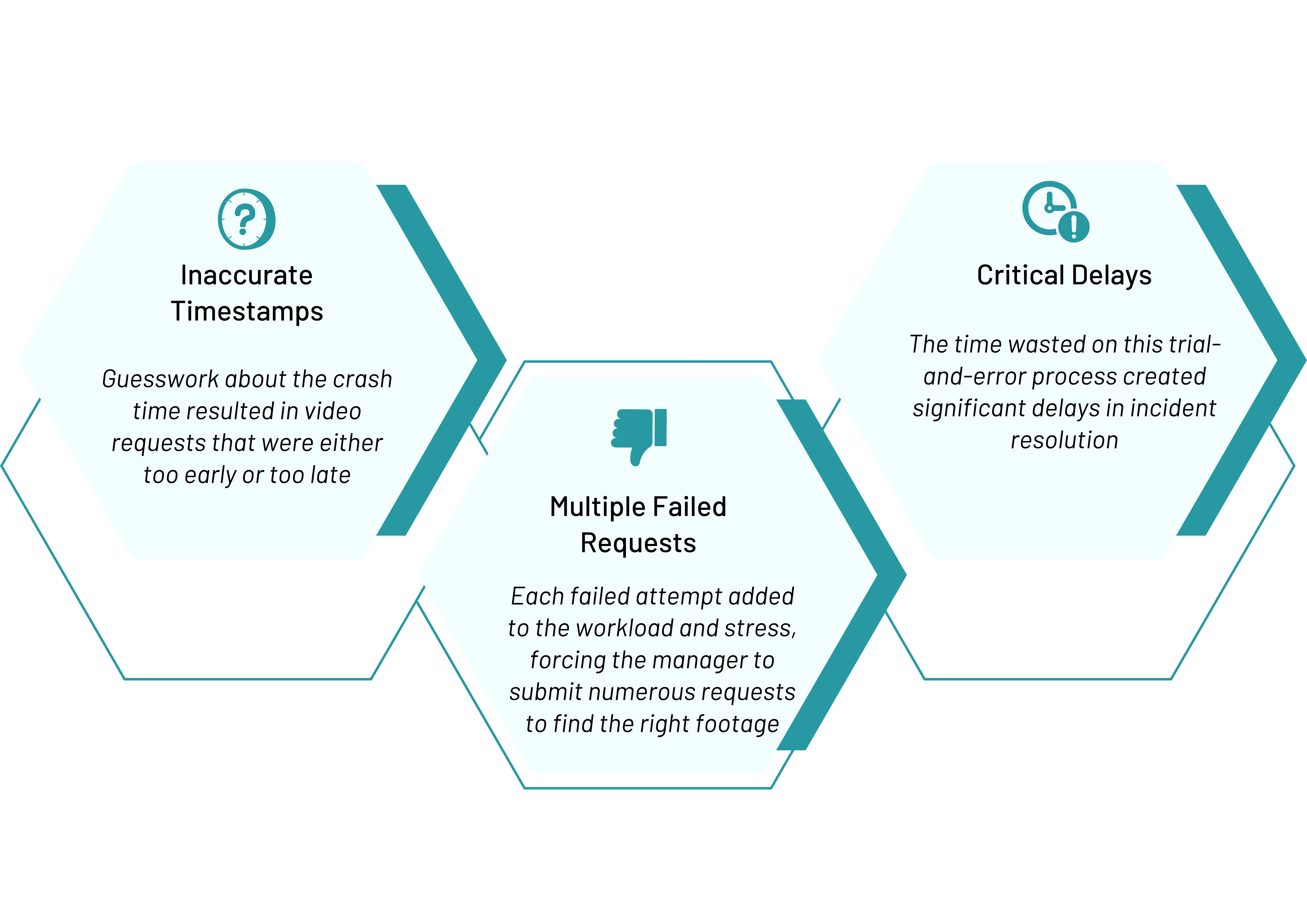
How LightMetrics simplified high-stress video retrieval for fleet managers
Blind Spots to Total Visibility
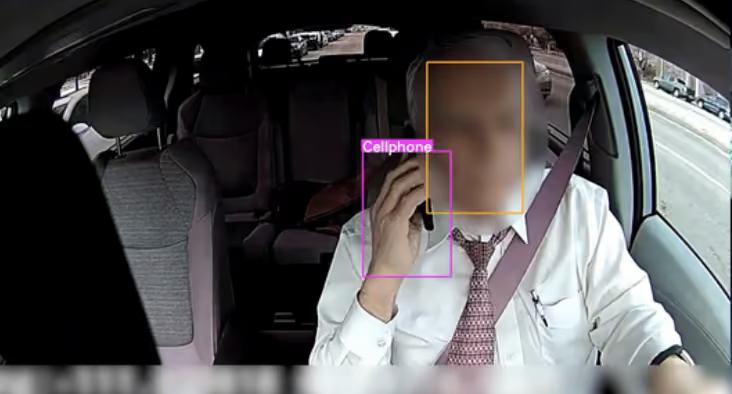
How a partner solved distracted driving for an 8,000-vehicle fleet with 99% precision
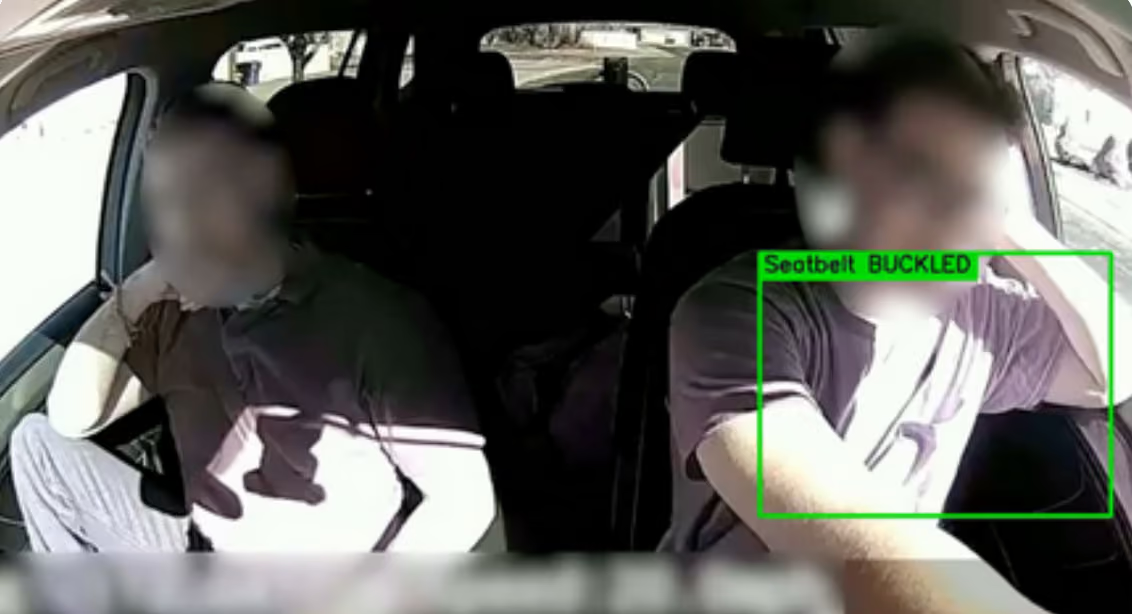
US utility fleet boosts seatbelt use by 30%, secures 3,500-vehicle contract
Lightmetrics enables partner sales with AI-powered support
How FleetA Transformed Video Telematics With LightMetrics Compression
How Mactrack and LightMetrics Sustained Fleet-Wide Improvement