
By LightMetrics
The full-stack video telematics platform built to improve safety on the road
Camera
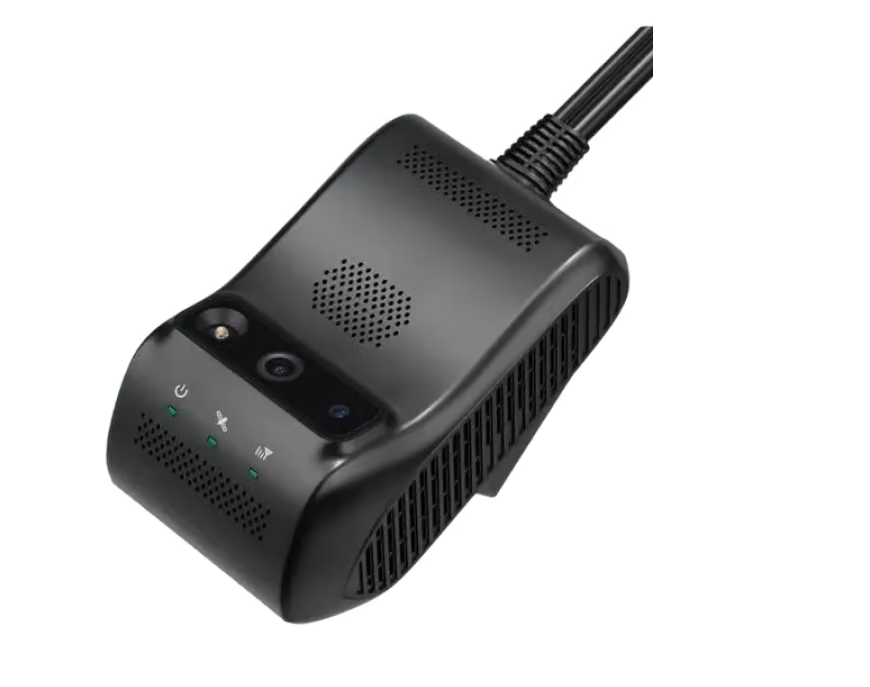
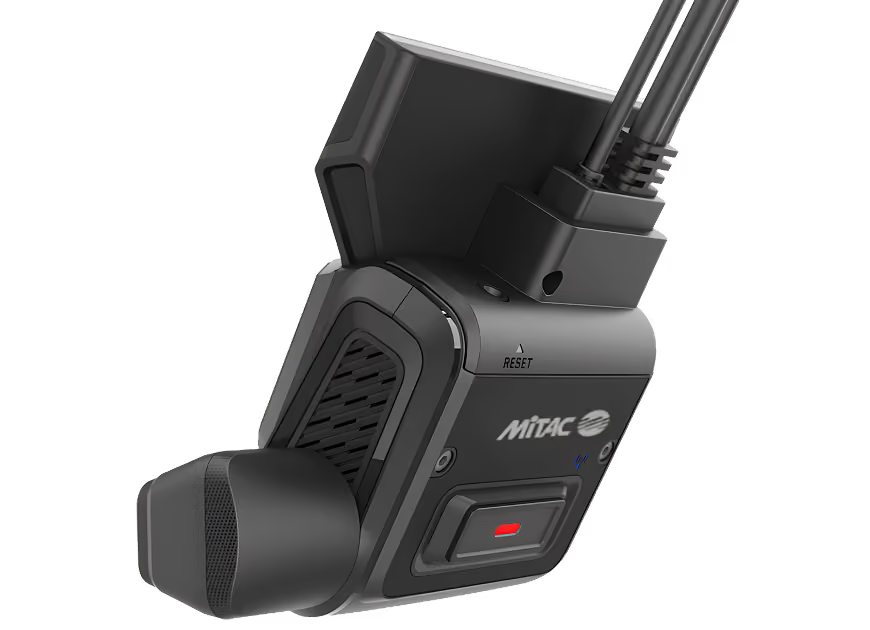
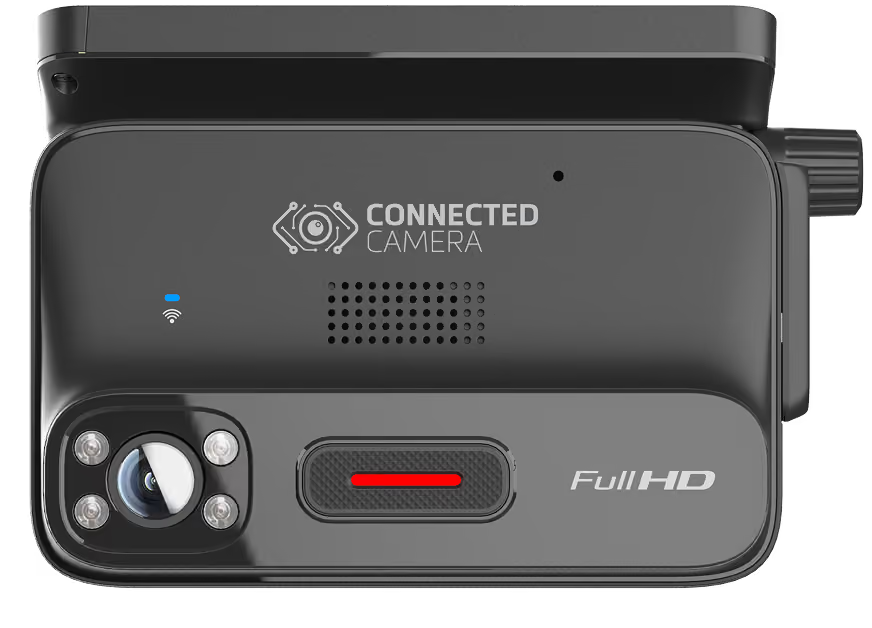
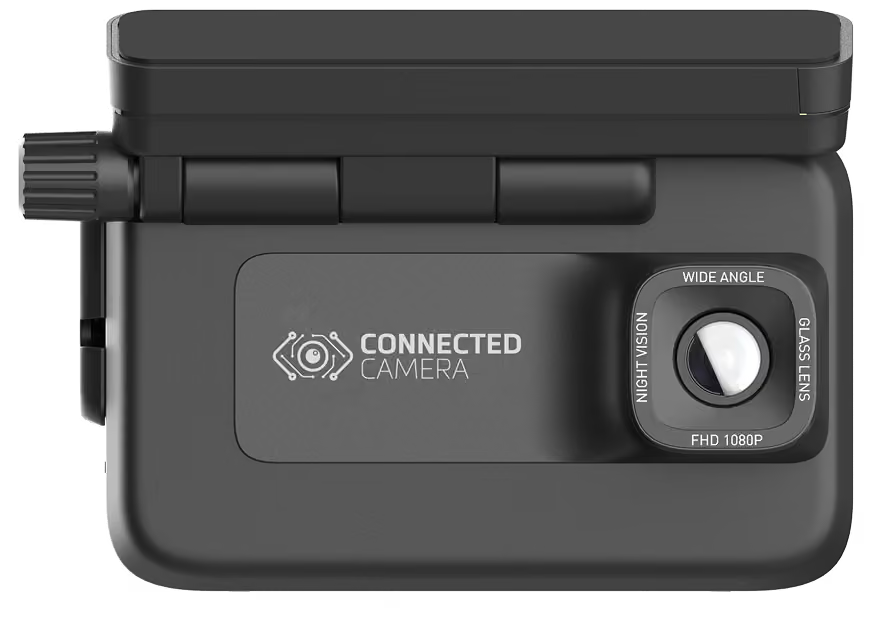
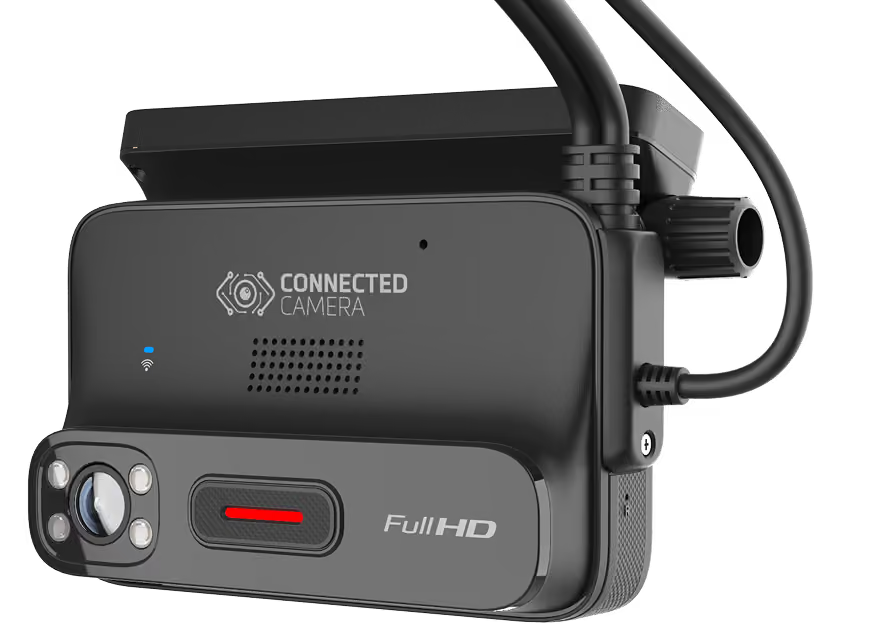
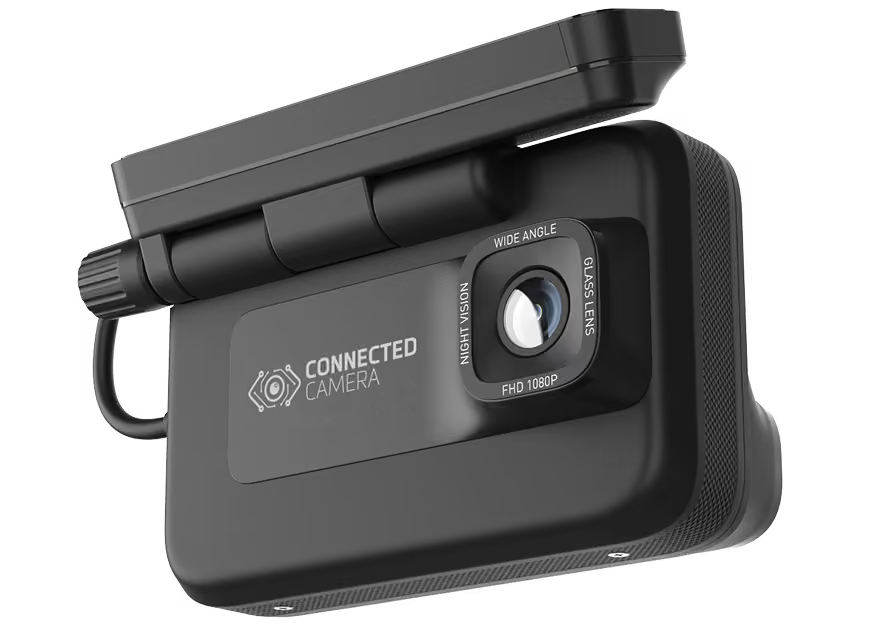
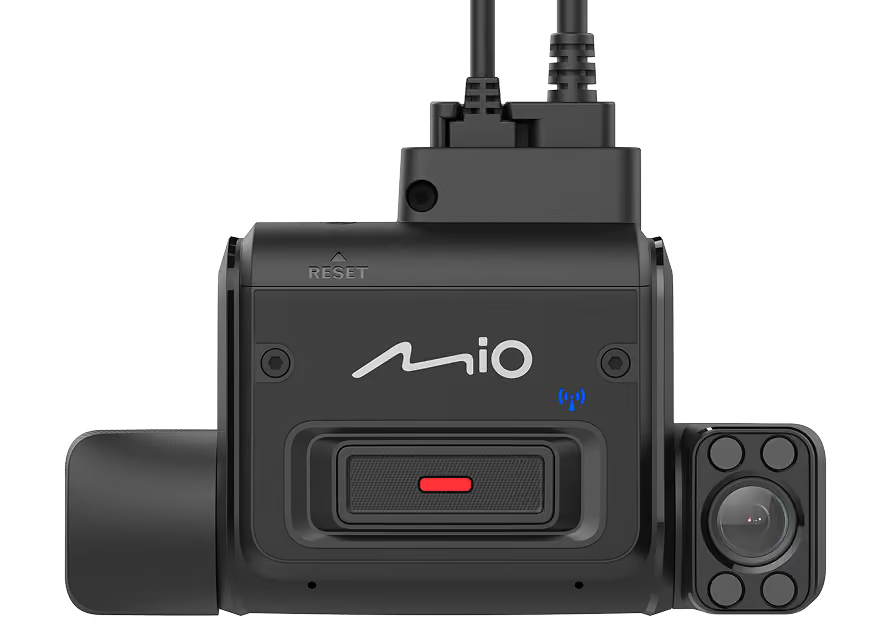
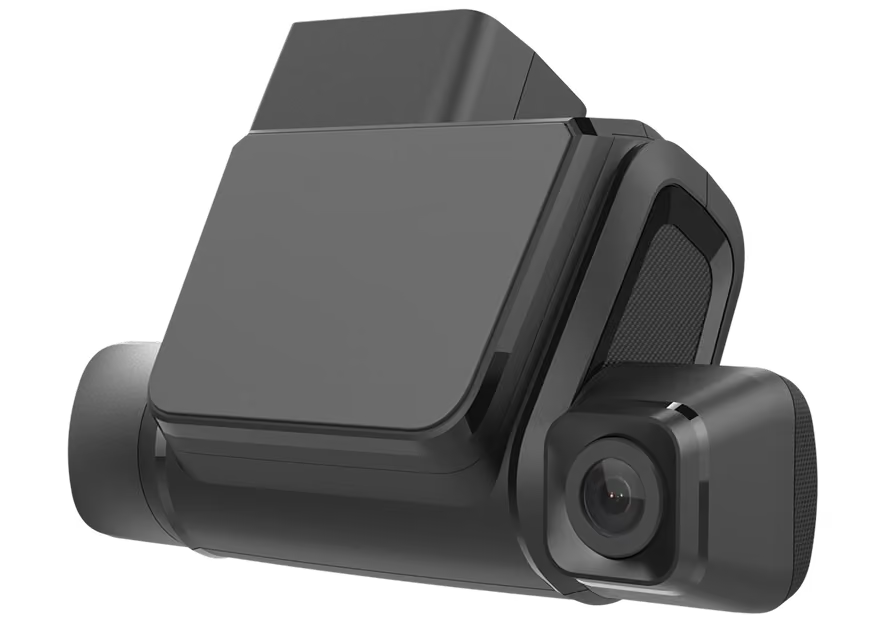
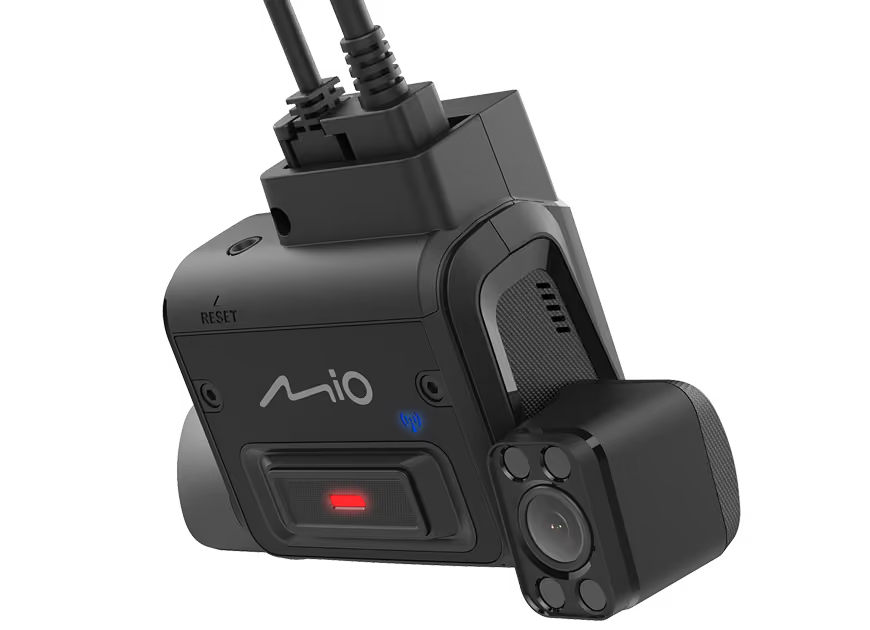
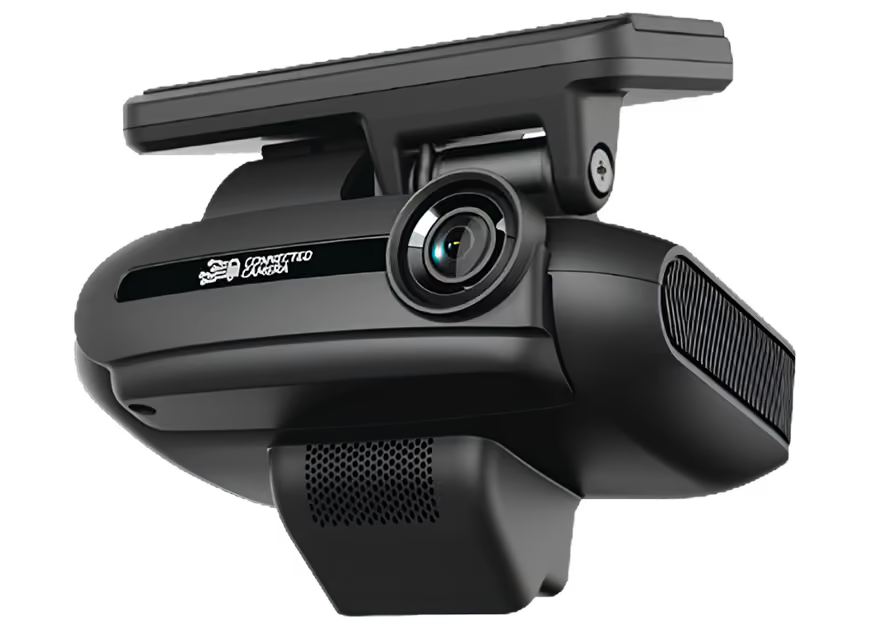
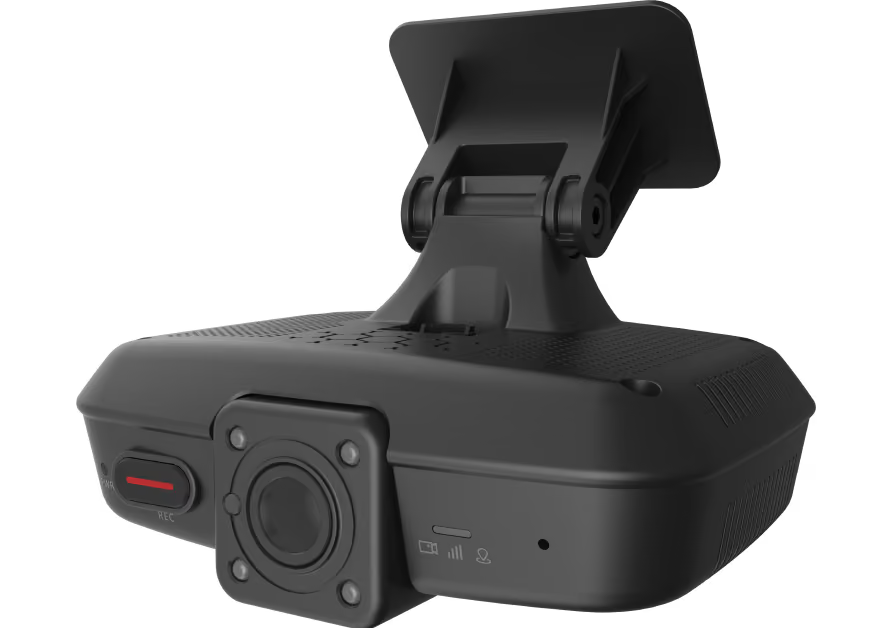
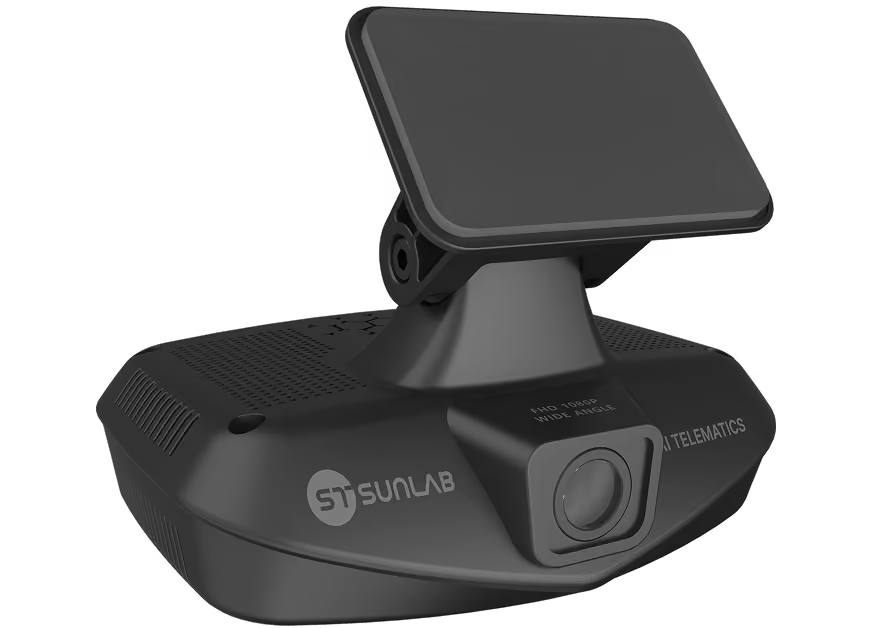
A choice of hardware options, one software stack.
Models
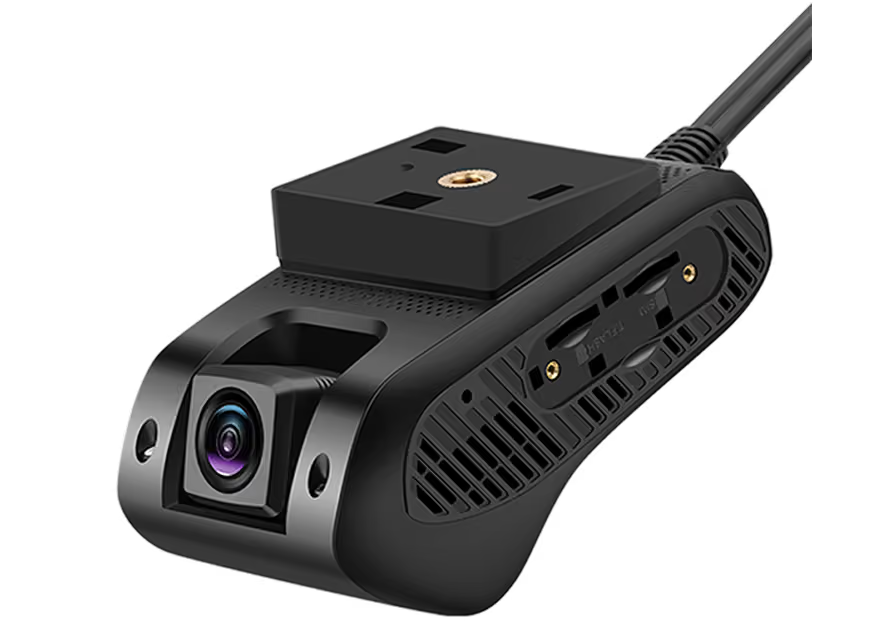
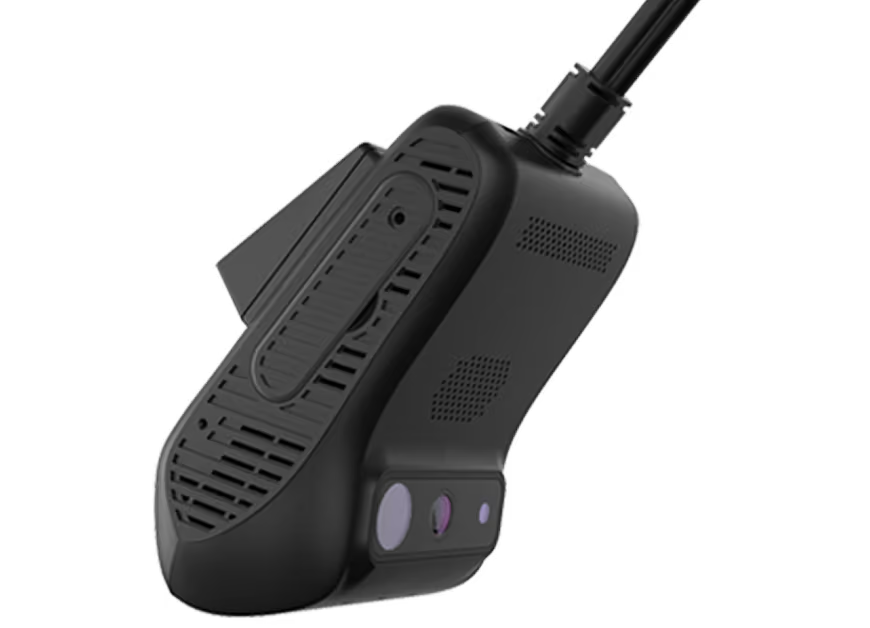
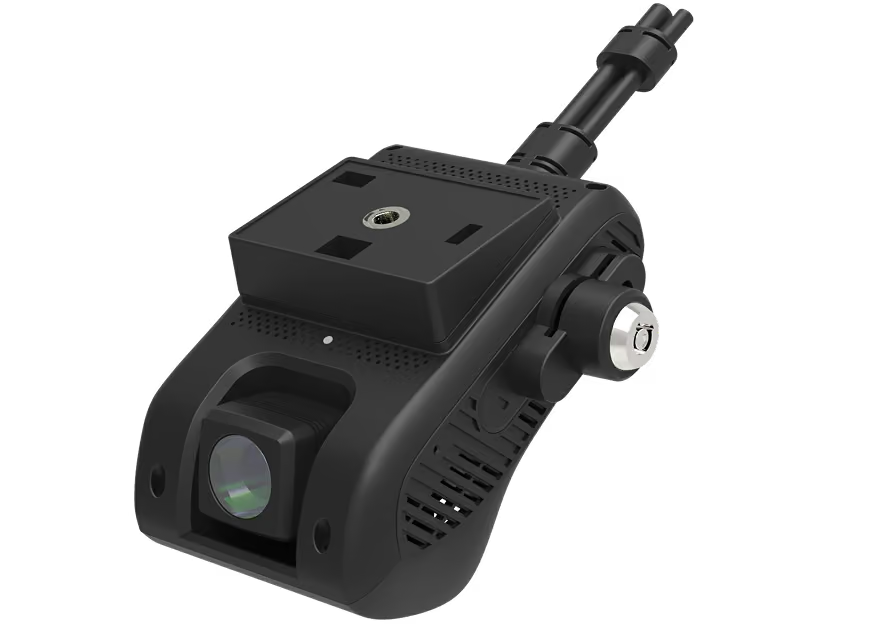
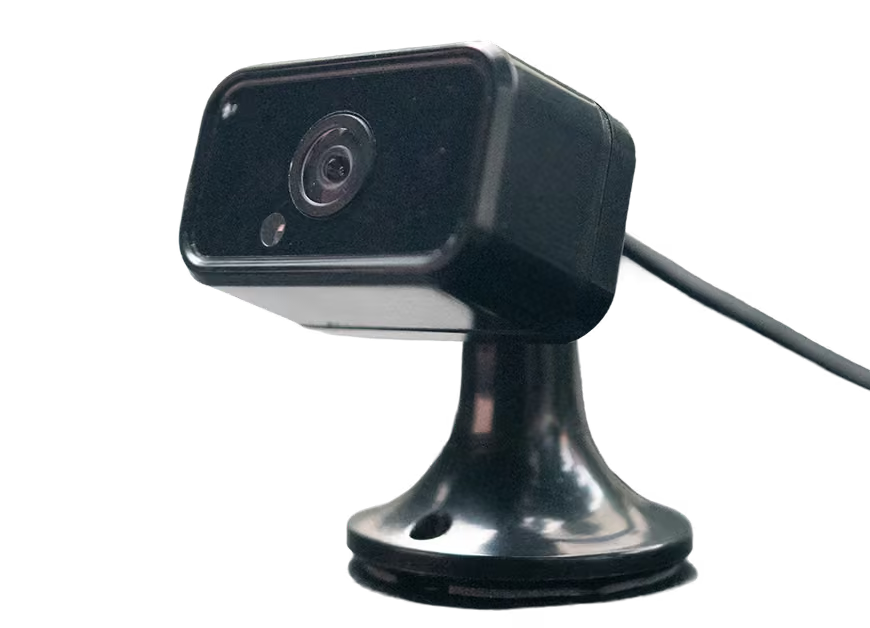
View angles
View angles
View angles
View angles
View angles
View angles
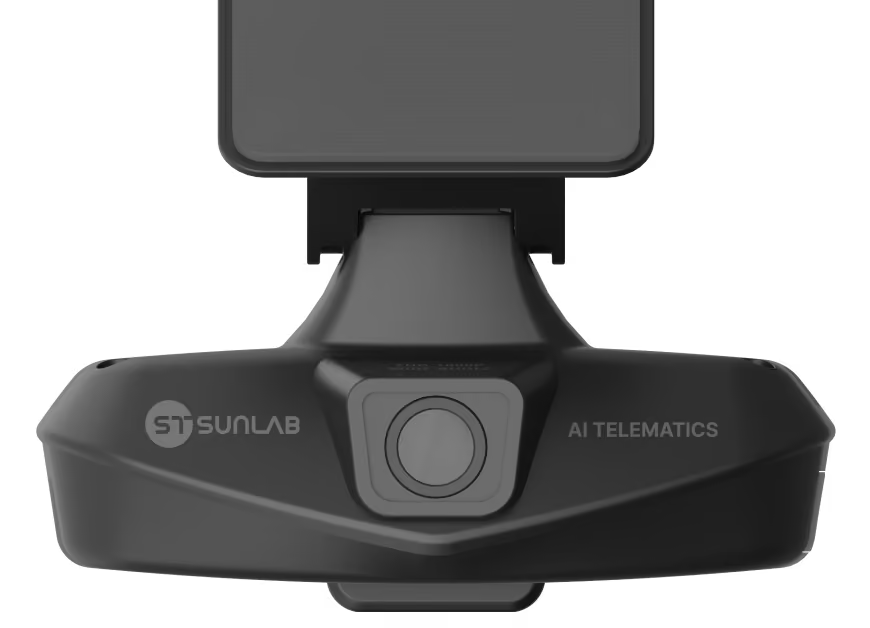
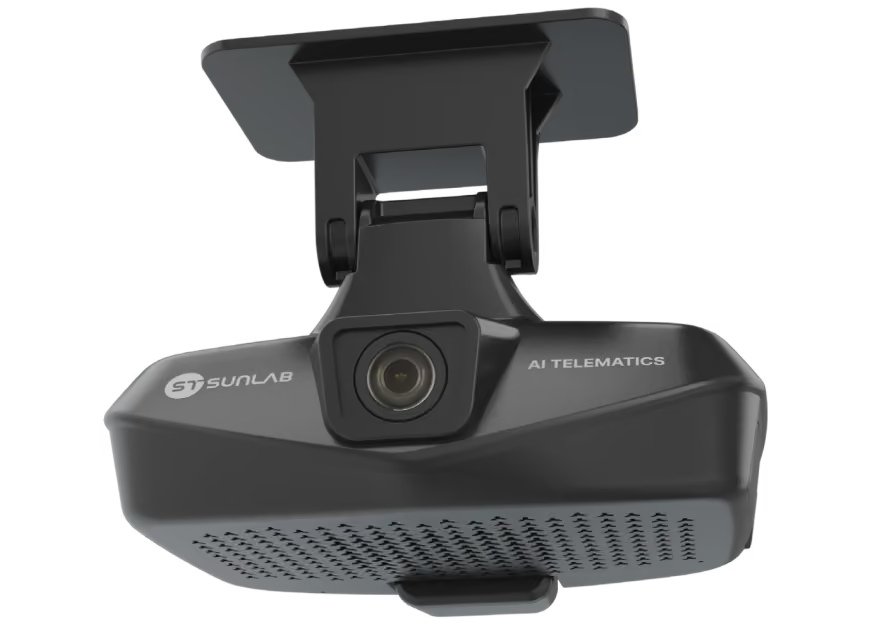
View angles
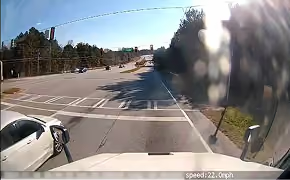
RideView runs on 10+ camera models from three manufacturers — same AI, same features, regardless of which you choose.
Driver ID via QR, NFC, RFID, or face recognition attaches every trip to the right person. Standby and sentry mode keep cameras active when the vehicle isn't. OTA updates and remote diagnostics keep your fleet manageable at scale.
- OBD/fuse-box installation options for all fleet vehicle types
- Self-install with auto-calibration — no specialist engineers required
On-camera AI
Edge AI that prevents, not just records
Events
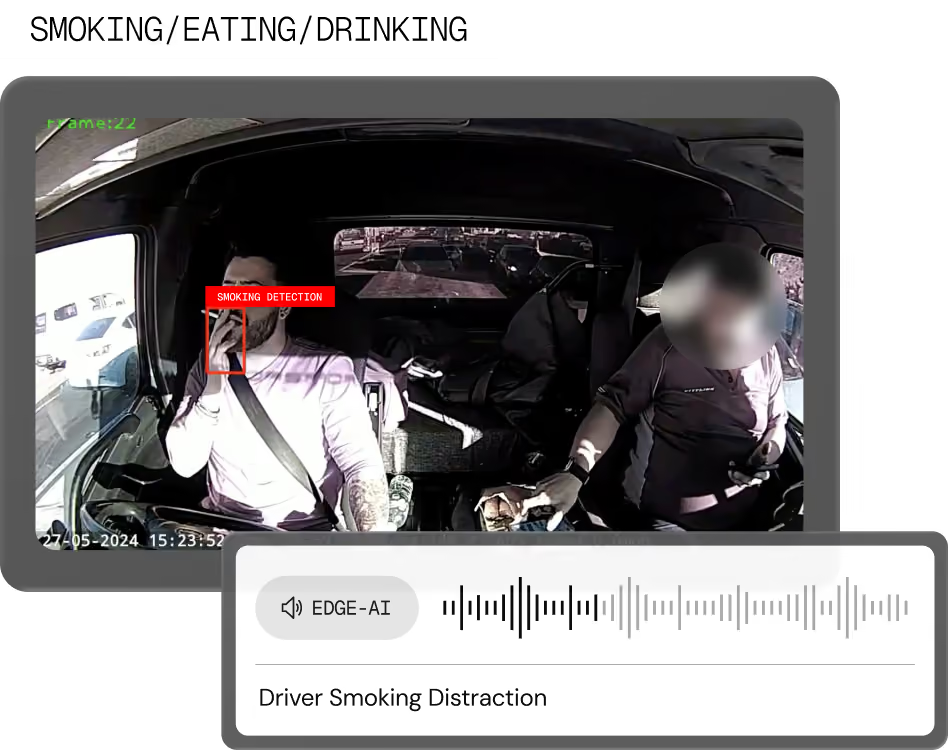
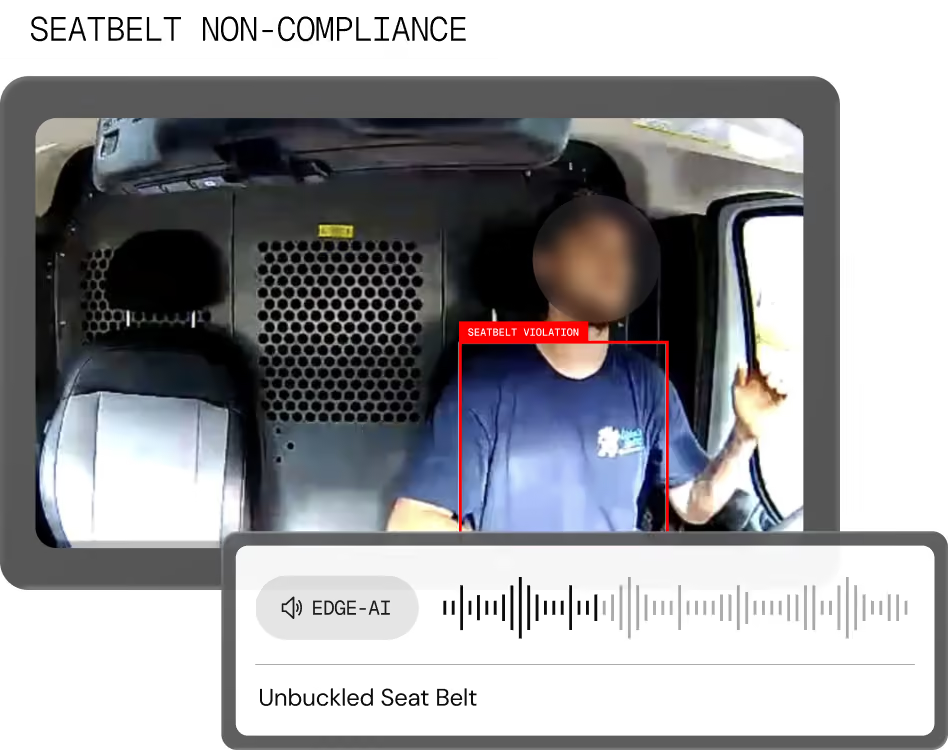
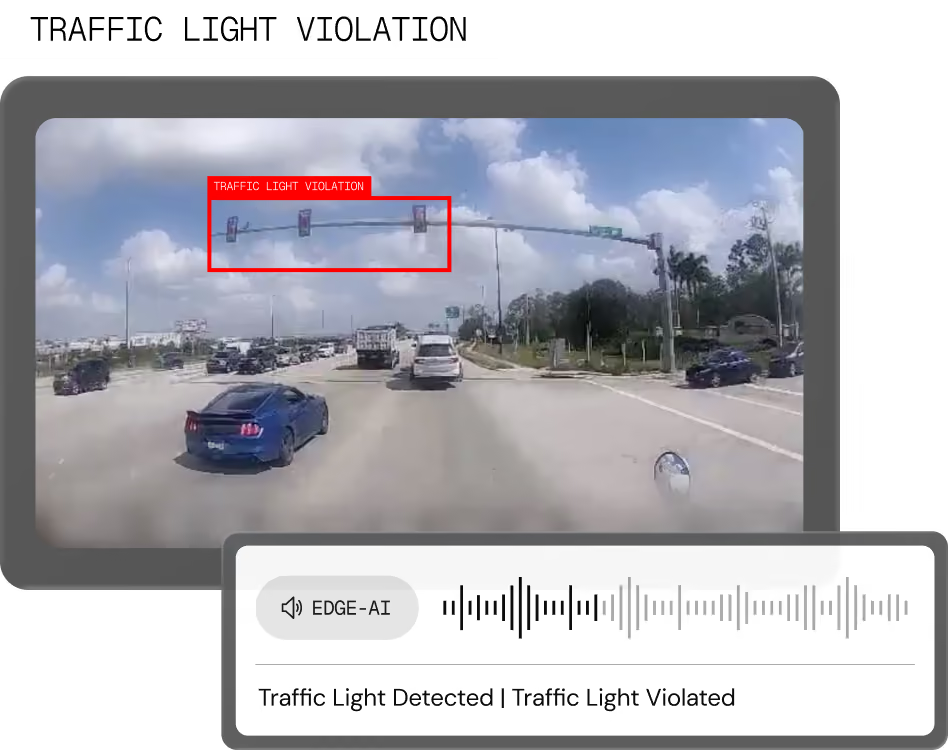
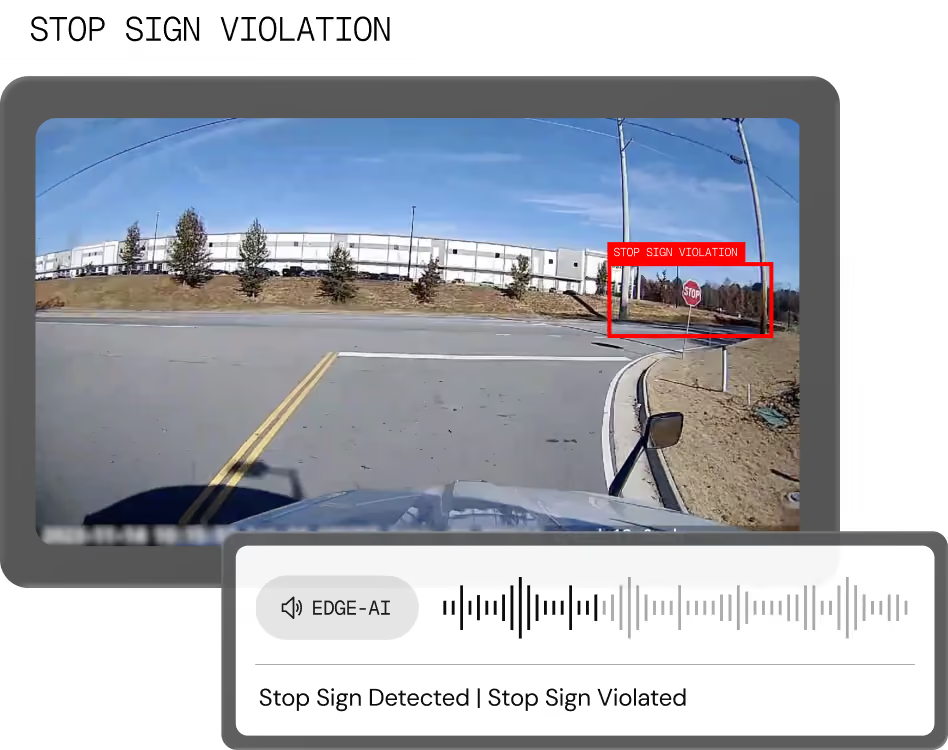
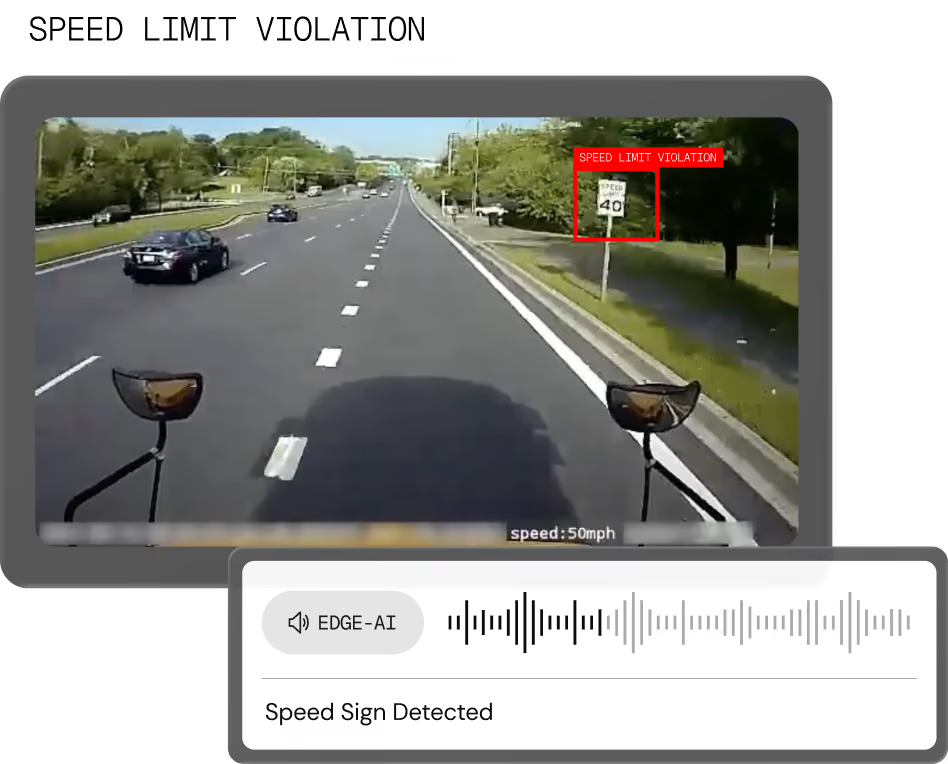
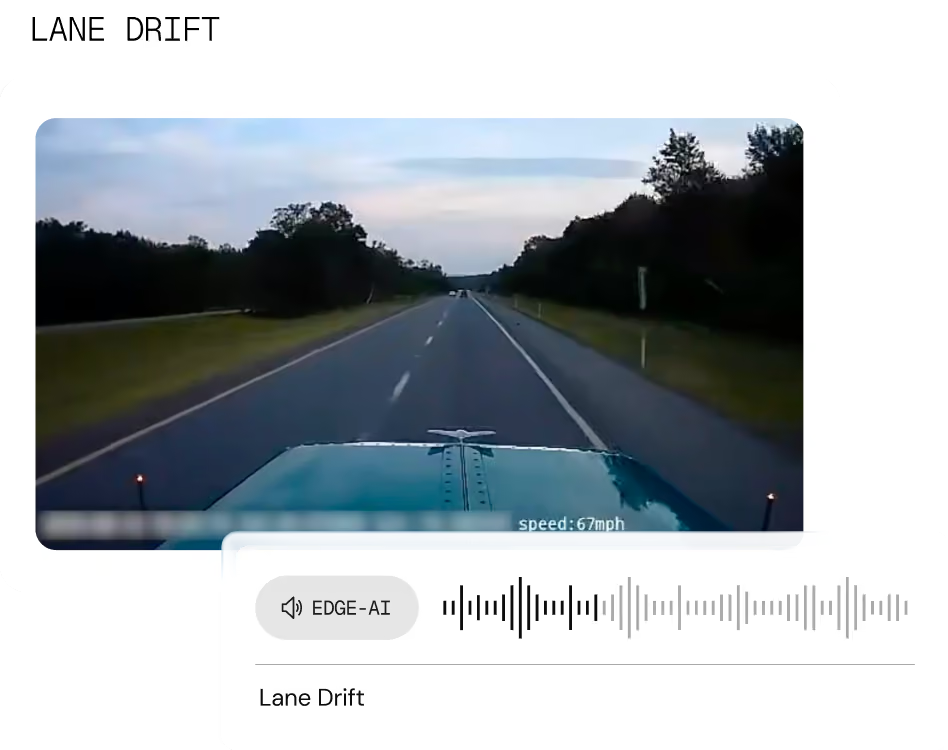
SPEED LIMIT VIOLATION
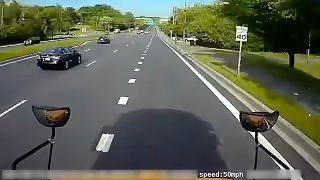
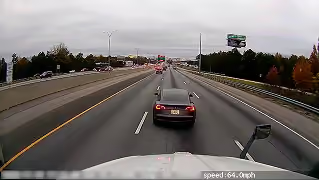
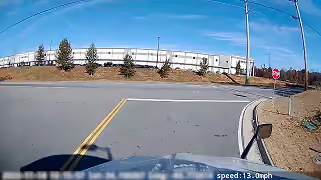
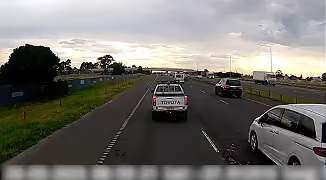
RideView reads posted speed limit signs directly from the camera feed. The sign is in the footage. Your team can show a driver exactly what the limit was — and the driver can look at the same frame and disagree. Evidence, not assertion.

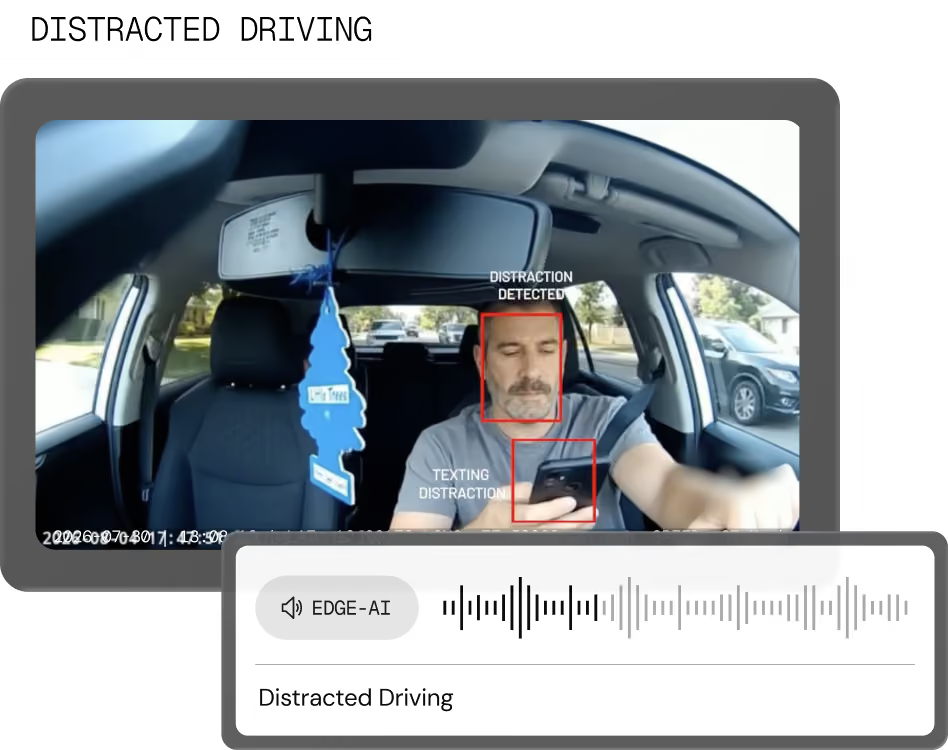
Distracted driving
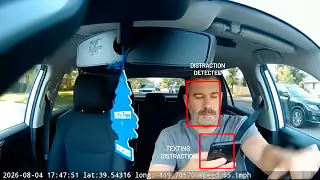
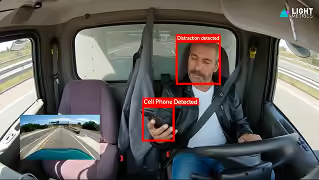
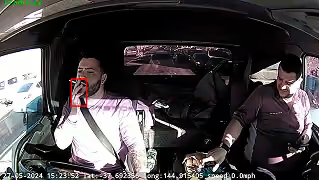
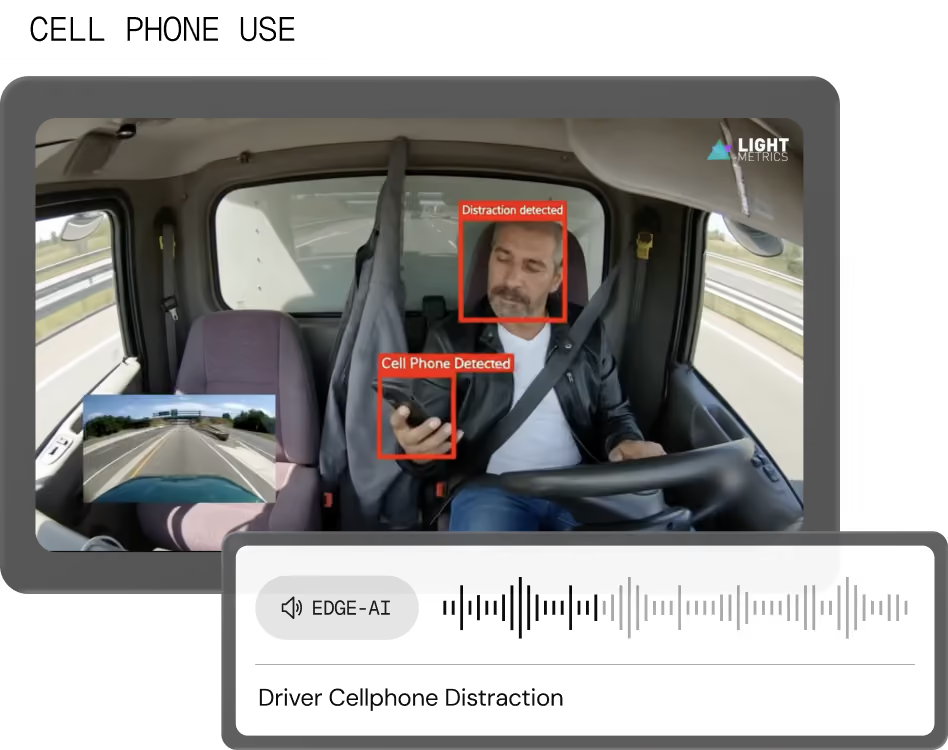
Most driver monitoring infers attention from head position. That works for the obvious cases and misses the most common one: a phone resting on the lap barely moves the head at all. RideView reads pose and gaze together, with the road-facing view for context — so a glance down registers even when the head stays level.
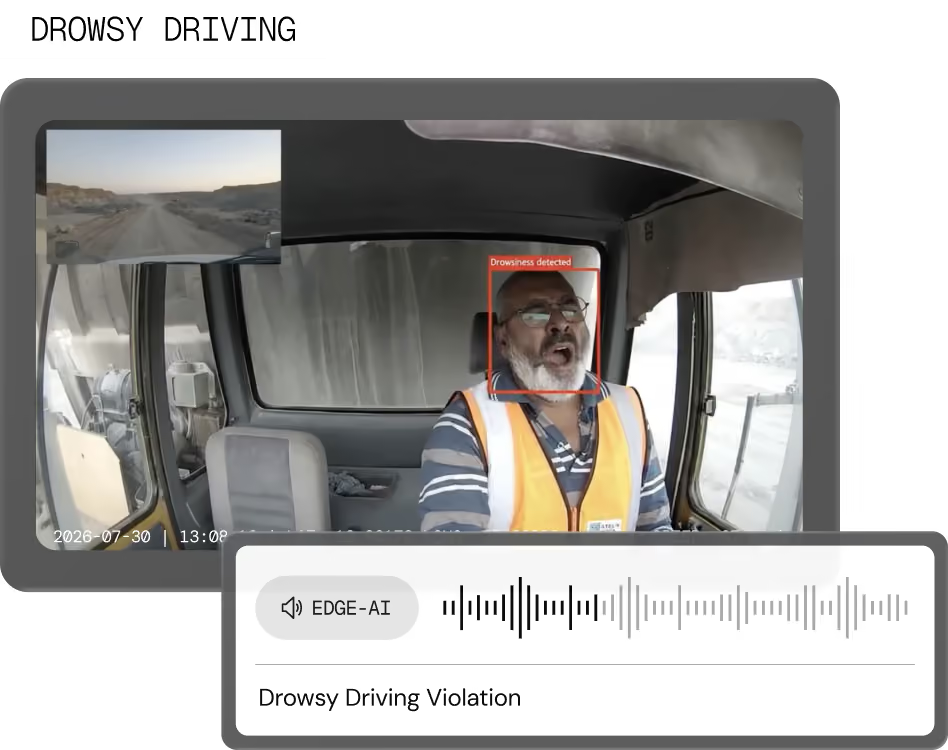
Drowsy Driving
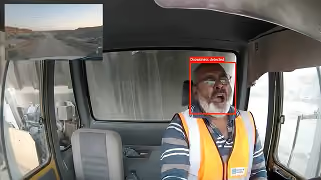
Most systems wait for the eyes to close — and by the time they do, the microsleep has already begun. RideView watches the blink itself: slower blinks, drooping lids, reducing openness, all of which appear before closure. The alert fires at the first signal, then a five-second window classifies what actually happened. That two-stage design is patented.
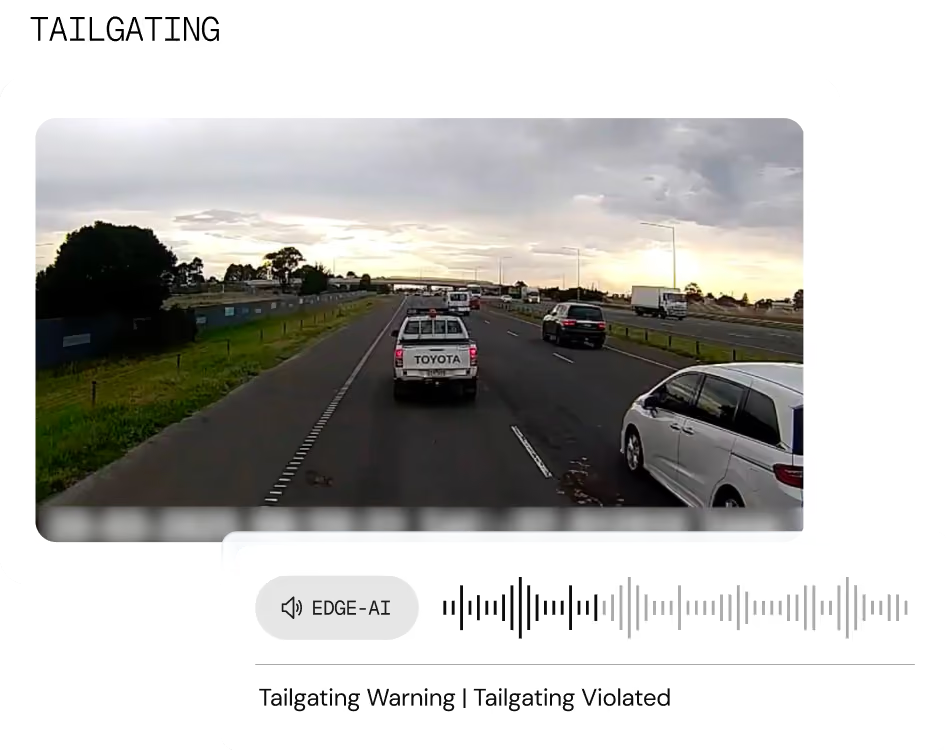
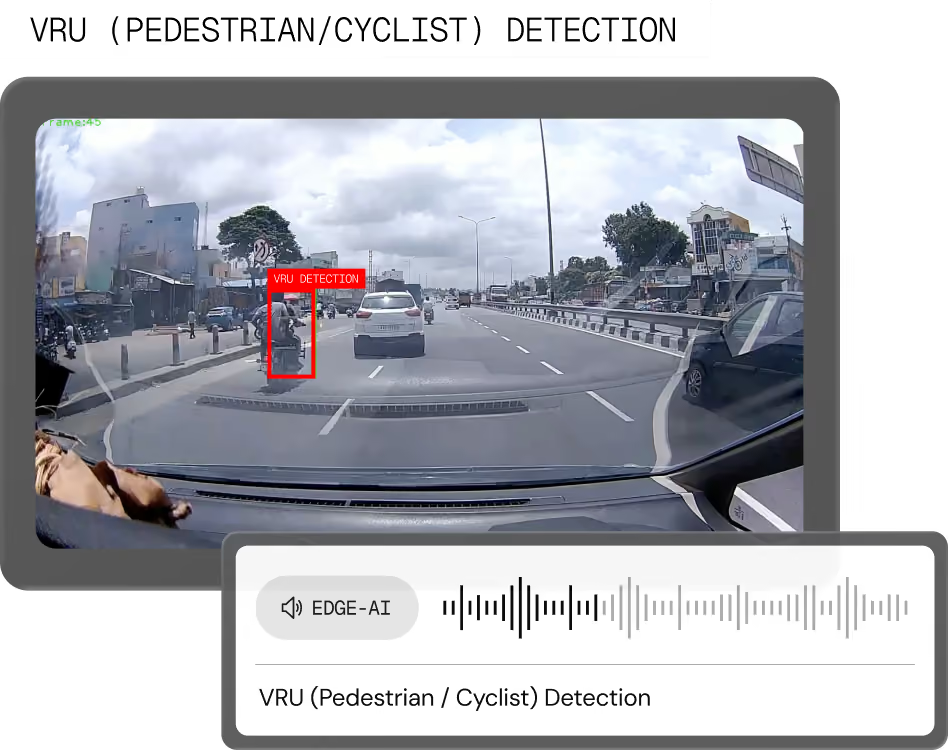
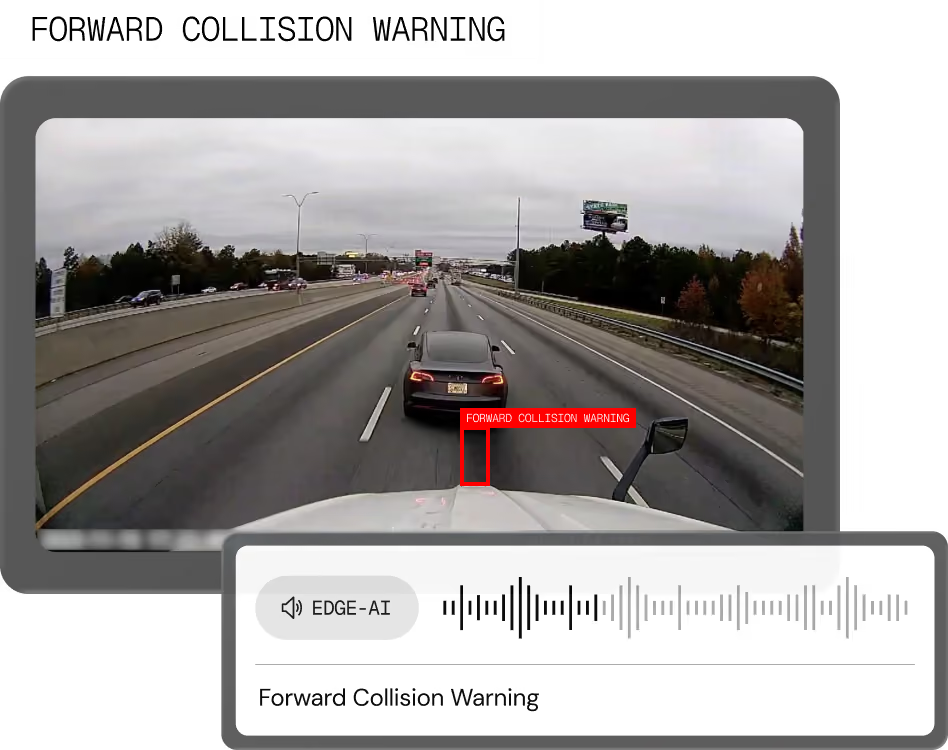
15+ risky behaviours detected on the camera, with an instant in-cab voice alert — configurable to how each fleet operates. Prevention, not documentation.
The AI is efficient enough to run on plain ARM cores, and will use a GPU/DSP where the device has one — so real AI safety isn’t confined to premium hardware.
If the system isn’t certain, it does not fire an incorrect alert. It stays silent.
Neural Network Video Compression.
3× the footage, half the data bill.
The moment the AI detects an event, the clip is saved — compressed using NNVC to half the standard file size. Encrypted. Tagged with GPS coordinates, timestamp, and road context.
When LTE is available, flagged clips move to the cloud automatically. Priority order: severity first.
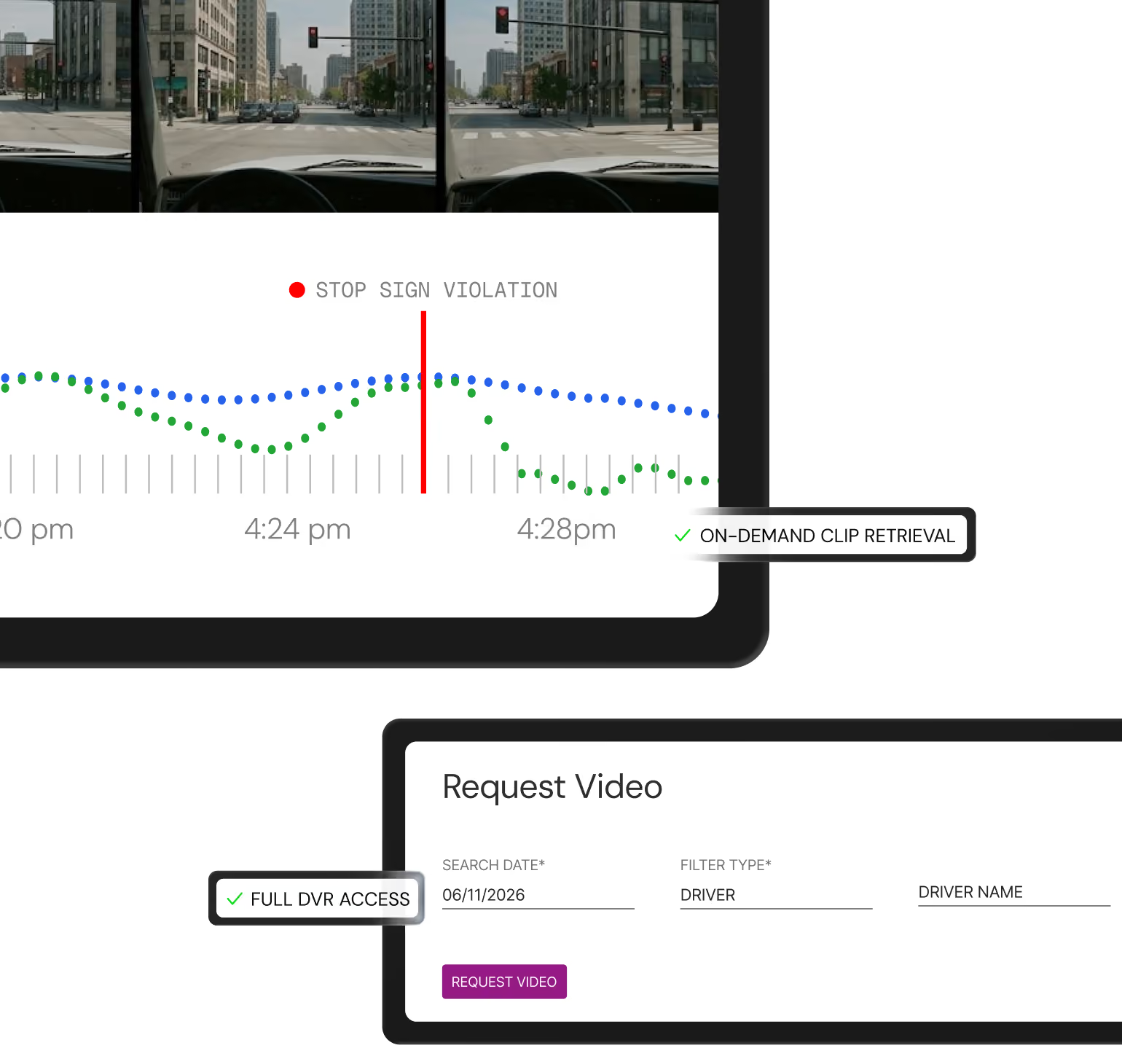
If the clip is needed weeks later and hasn't uploaded yet? A standby push wakes the camera and retrieves it on demand — even if the vehicle hasn't moved since.
- 135 hours stored on a standard 128GB card.
- 50% smaller files vs standard encoding.
- Footage retrievable weeks after capture.
Cloud AI
AI review in the cloud, cutting false positives further.
86% → 94%
Distracted driving precision
75% → 90%
Drowsy driving precision
91% → 99%
Tailgating precision
Up to 15%
eduction in false positives
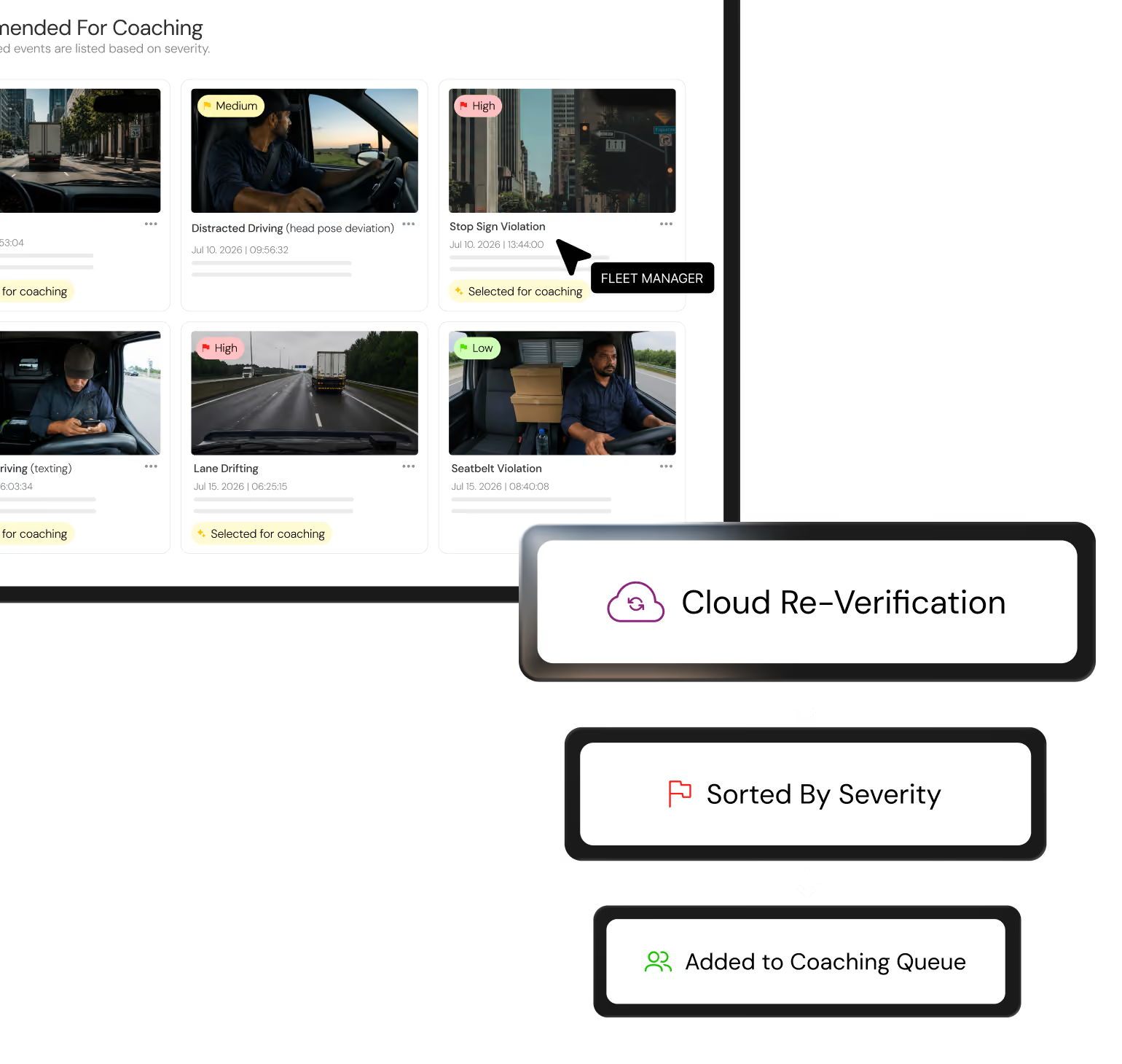
Events go back through vision-language models in the cloud — AI that reasons about what a clip shows, not just what’s in it. It does what a human review team does: for less, with the same judgement every time,at any fleet size.
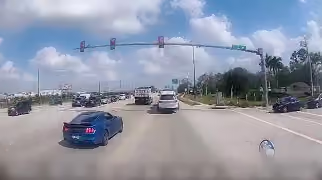
A hard brake in rain and heavy traffic isn’t the same event as one in clear conditions — so weather, traffic and location feed the score that decides what needs acting on.
What reaches your team is what deserves their attention
These are the workflows a fleet lives in, and all of them are open through our APIs — use them in our dashboard, or surface them in your own.
01 Driver safety & coaching
AI triage picks the events that matter. Self-coaching puts them straight to the driver — making coaching workable for a fleet with no safety team, and saving hours for one with a big one.
Outcome:
Fewer events. Better conversations. Behaviour that actually changes.
02 On-demand video
An incident is reported, someone needs that exact moment on video, and everything after depends on finding it — in a few clicks. Our own compression keeps three times as much footage on the card, so older events are there too.
Outcome:
Claims investigated in minutes. Drivers exonerated with evidence.
03 Live-view & push to talk
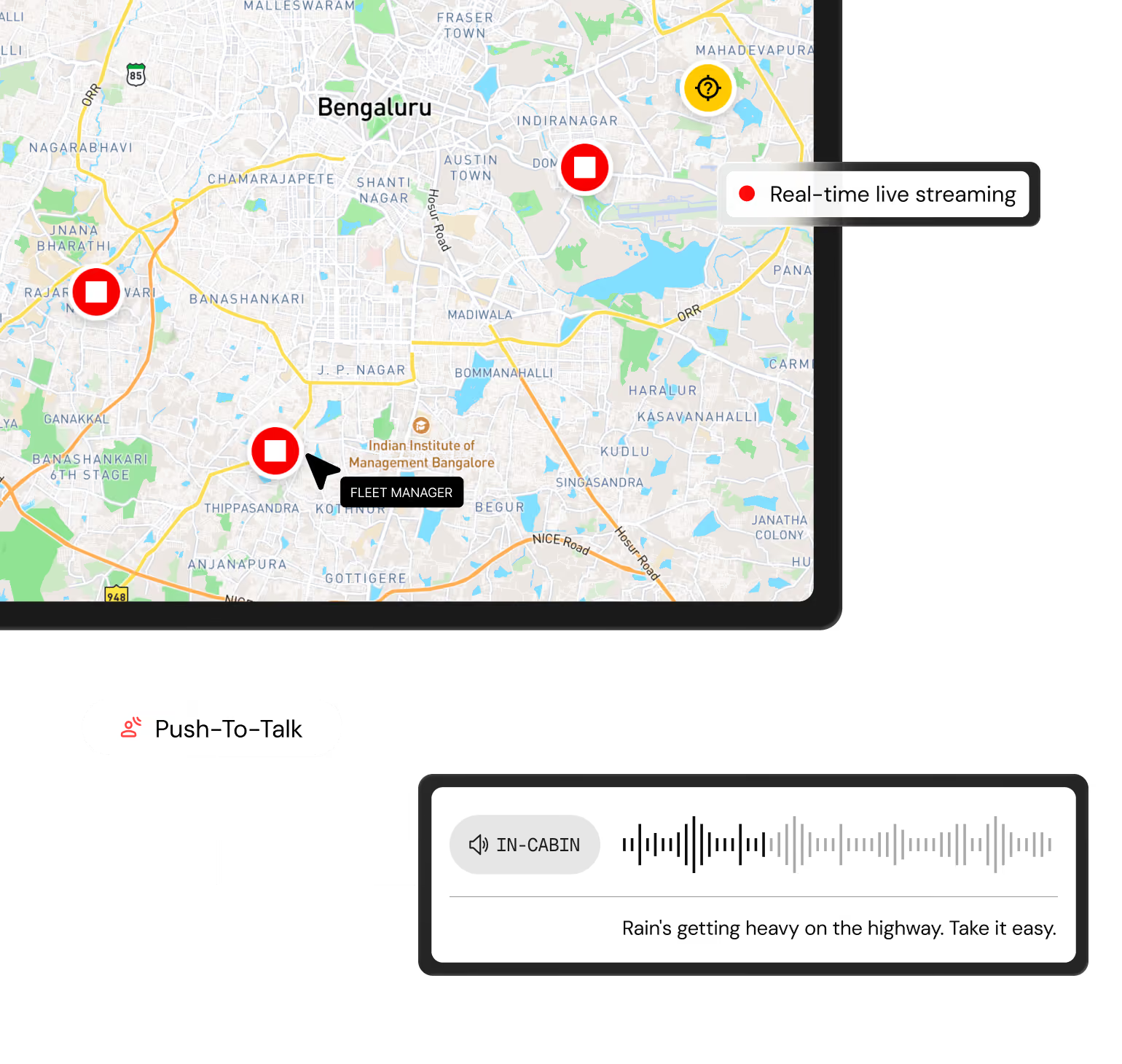
Live streaming gives dispatch a view of any vehicle the moment they need one. When something can't wait, push-to-talk opens a line to the driver straight away. The same button lets the driver call you.
Outcome:
Real-time intervention — no phone, no separate device, no delay.
04 Enterprise fleet controls
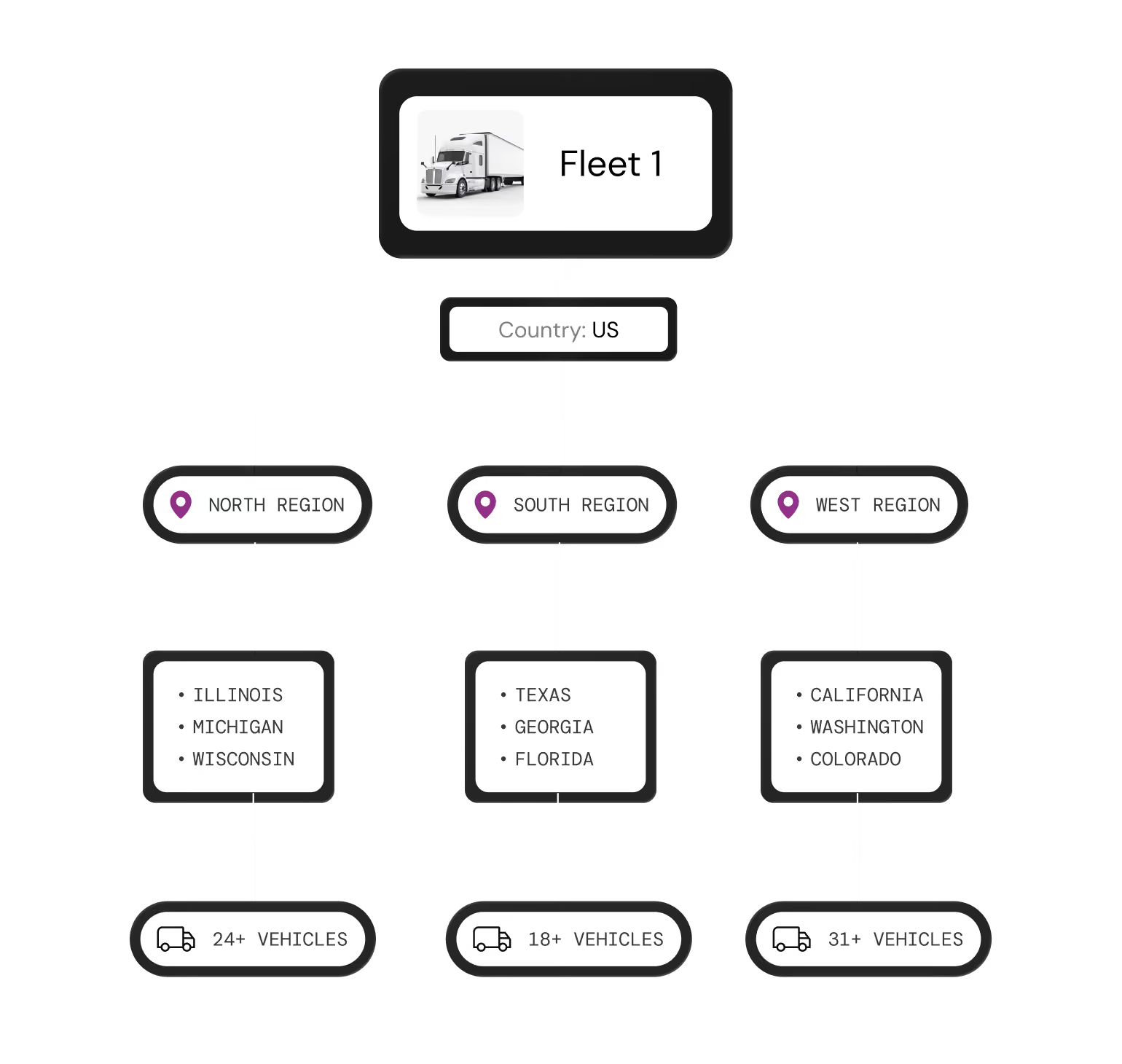
Medium and large fleets are organised by depot, region, or contract. Tags, groups, hierarchies, user roles, access controls, and custom events let the platform match that structure — so nobody has to change how they work in order to use it.
Outcome:
The platform adapts to the fleet, not the other way around.
05 Camera diagnostics
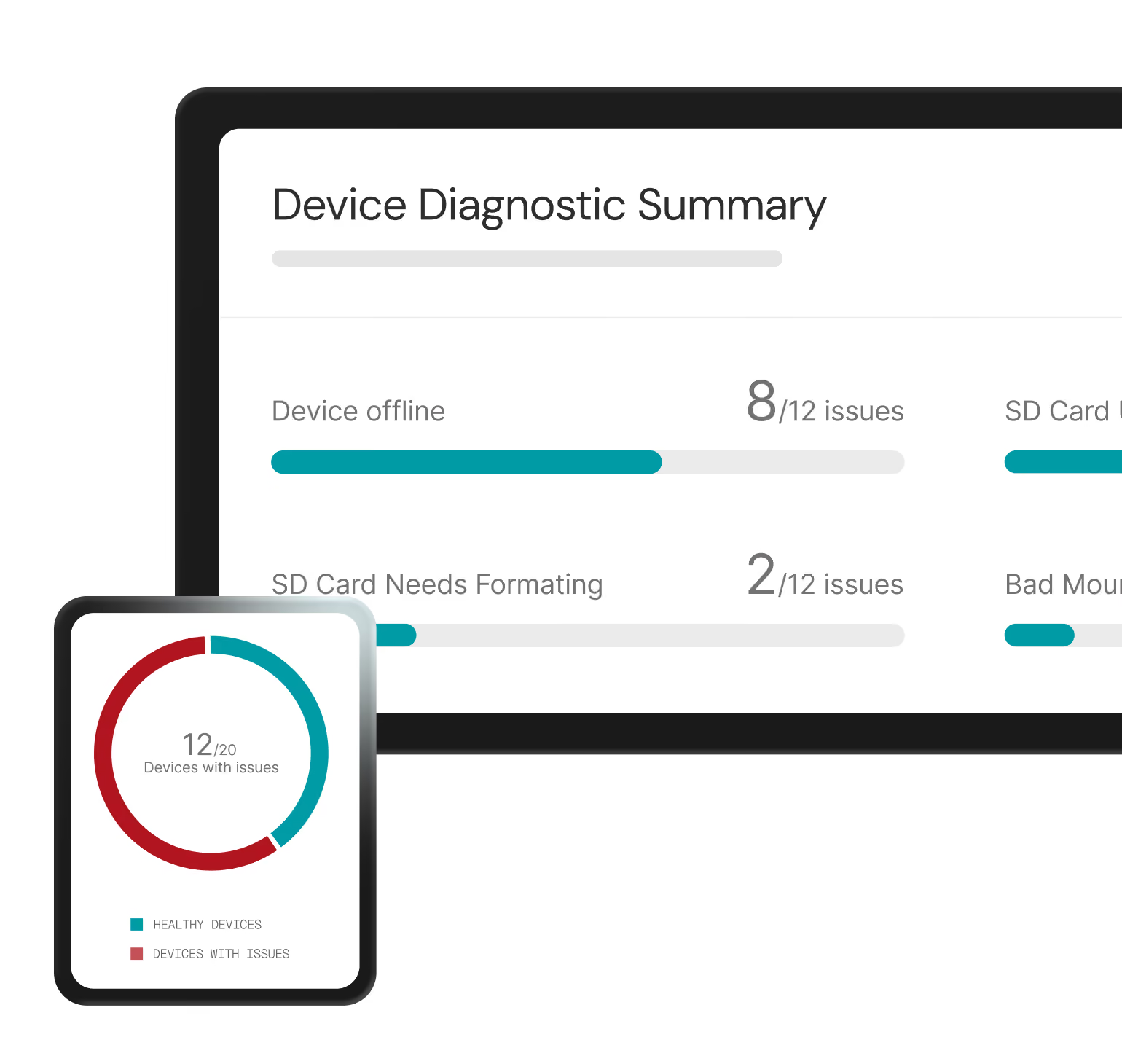
Cameras get tampered with, badly mounted, or quietly stop recording — and every one of those is a blind spot nobody knows about. RideView watches for them and tells the fleet when something needs attention.
Outcome:
Every camera accounted for. Always.
RideView by LightMetrics turns video telematics into safer roads, lower costs, and stronger operations.
Portals
Fleet portal for your customers. Master portal for your operations.
Fleet portal - for your customers
Rebranded as theirs, on their own domain, with single sign-on. Launch it in under three weeks, or i-frame it into the dashboard they already have.
Master portal - for your team
Add and remove fleets, provision cameras, check usage, manage billing, and handle support — all from one place.
Apps
Applications for drivers, installers and fleet managers, with source code for partners.
Driver app
Lets drivers take charge of their own safety through self-coaching.
Installer app
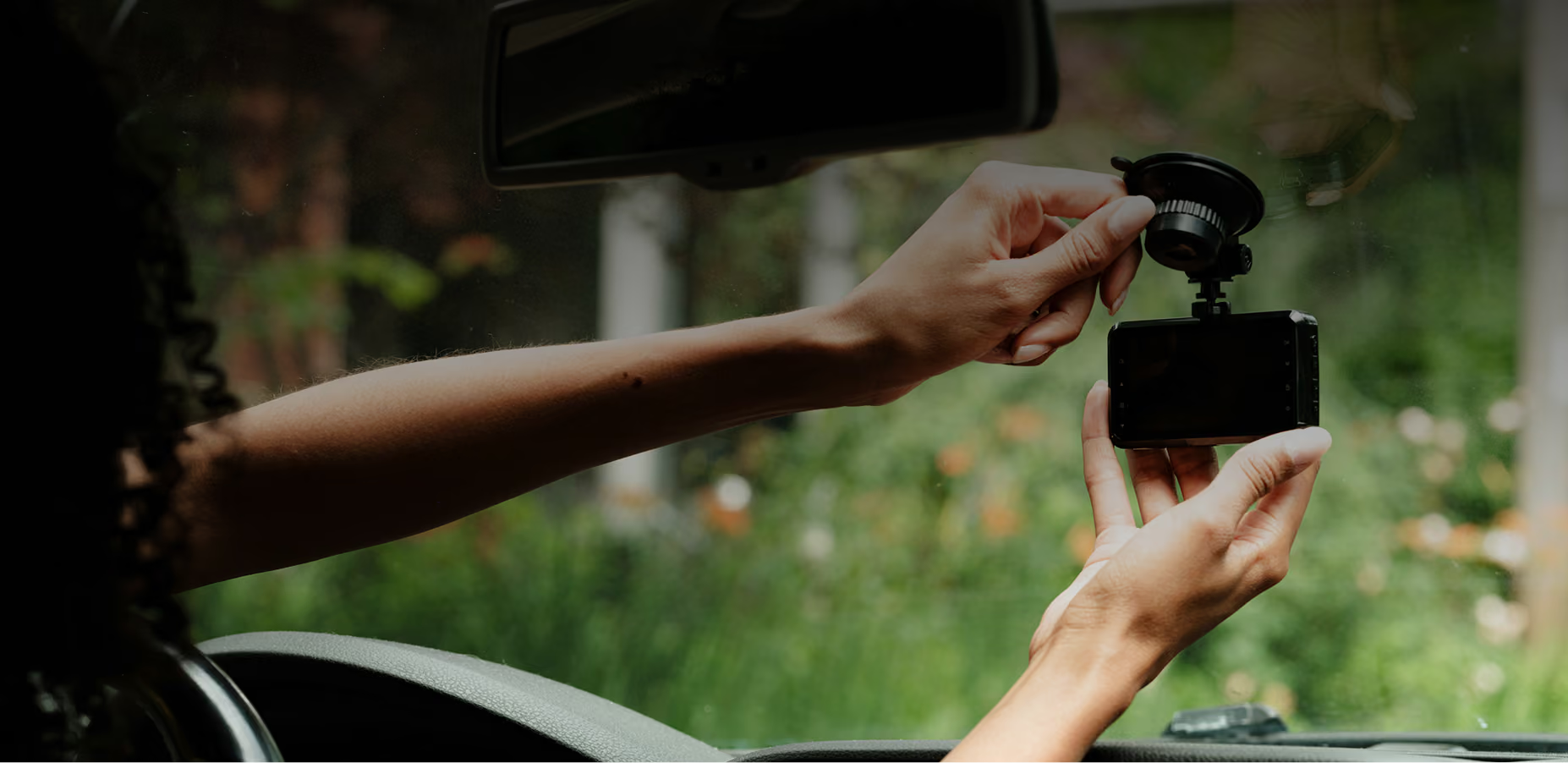
Makes the camera self-install — any technician can fit one in under 15 minutes.
Fleet manager app
Puts the key workflows on a phone, so operations can be run from anywhere.
Backend and APIs
One backend, one set of APIs, consistent UX — no matter the hardware.
Multi-tenant cloud
Data residency in every key market — data stays where the regulator expects it.
APIs partners can build on
The same APIs we build our portals on — not a thin export layer bolted on the side.
Built on Kubernetes
Capacity grows with demand, one failure doesn't take the service down, and updates ship without downtime.
Certified
ISO 9001 · ISO 22301 · ISO 27001 · GDPR compliant.
Rebranded as theirs, on their own domain, with single sign-on. Launch it in under three weeks, or i-frame it into the dashboard they already have.
AI you can act on
What we built that others haven’t
AI you can act on
What you do with it
3x the footage. Half the data bill.
Problem
Everyone uses the same off-the-shelf encoders and so everyone carries the same data bill. The only way to cut it is to record less or upload less. Either way, the footage you needed isn't there when you go looking.
Solution
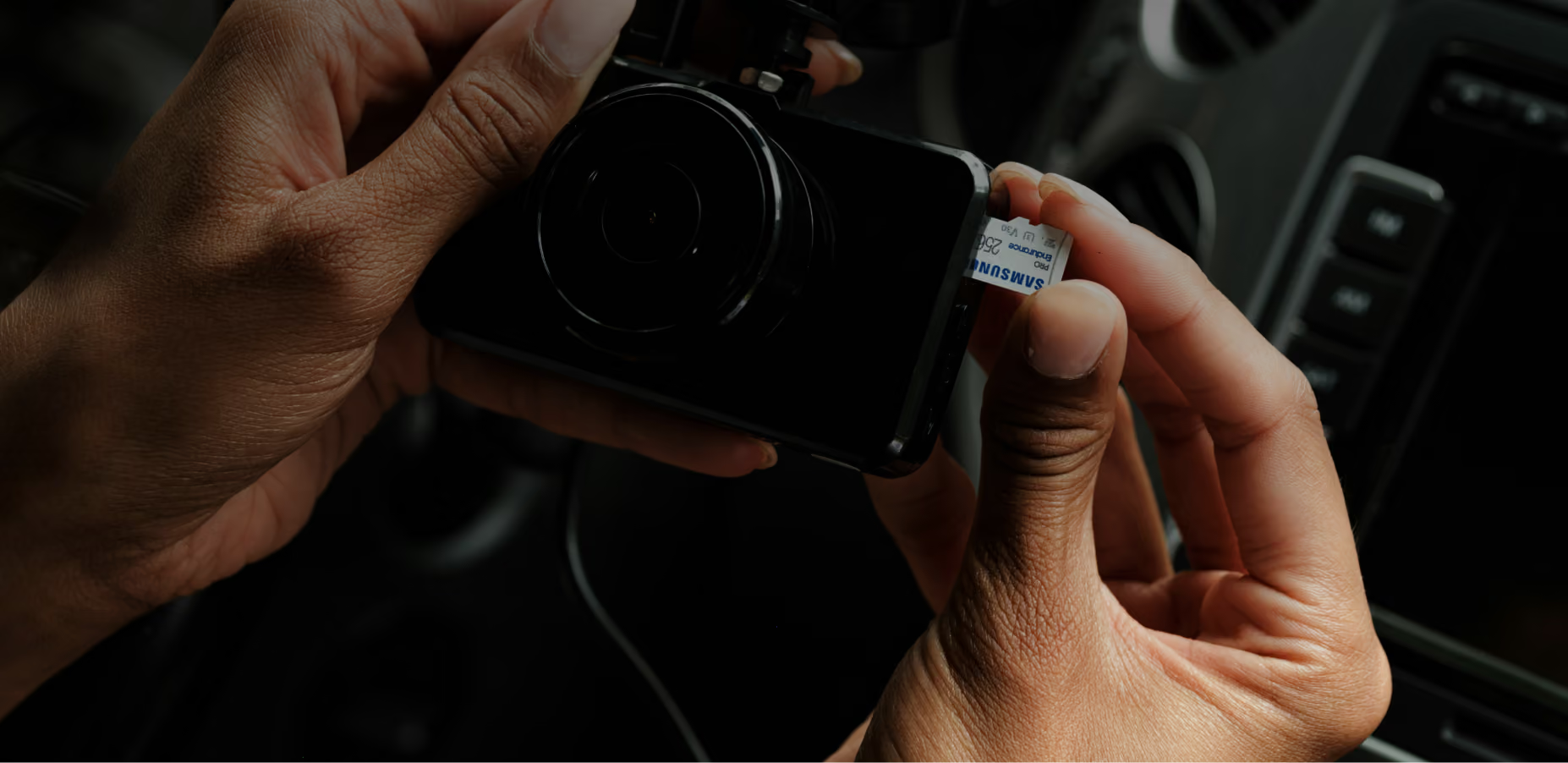
We built our own compression from the ground up. Neural Network Video Compression runs on the camera itself. That means no extra hardware, no quality loss.
Outcome
A 128GB card holds 135 hours instead of 55. Cellular data drops by more than half. The footage is there when the claim arrives.
Video, tracking and vehicle data, all from a single camera
Problem
Every extra device in the cab is another install, another SIM, another failure point. Most fleets end up with a dashcam, a tracker, and a separate ELD — none of them talking to each other.
Solution
RideView cameras run standalone — GPS, trips, driver behaviour, video, and AI from one device on one SIM. CANLink reads real vehicle data directly from the OBD port for fleets that need it.
Outcome
Simpler installs. Fewer support calls. One device to manage instead of three.
Your team can reach the driver, The driver can reach you
Problem
Video telematics is a one-way street — alerts to the driver, clips to the cloud, and no way for one person to actually speak to another. Fleets fill the gap with phones, which are unsafe at the wheel.
Solution
RideView turns the camera into the communication link. One press opens a direct line with no screen to navigate, no separate device required. The same button answers and ends the call.
Outcome
Fleet managers reach drivers in the moment it matters. Drivers can call for help without picking up a phone.
Uncertainty-aware detection + cloud re-verification = Far fewer false positives
Problem
Standard AI returns a confident answer whether or not it has grounds for one. Poor light or an unfamiliar cab is enough to make it confidently wrong. The usual fix is a human review team — slow, expensive, and impossible to scale.
Solution
RideView scores its own uncertainty and holds events back when it's guessing. Every surviving event is then re-checked in the cloud against driver history, road conditions, and context.
Outcome
Distraction precision climbs from 86% to 94%. Fewer false positives. Fewer wrongly accused drivers. A coaching queue your team actually trusts.
Distraction from gaze, Drowsiness from the blink itself
Problem
Most systems infer attention from head position — so a phone resting on the lap goes undetected entirely. And most systems wait for the eyes to close before flagging drowsiness, by which point microsleep has already started.
Solution
RideView reads gaze alongside pose, catching the phone-on-lap case other systems miss entirely. For drowsiness, it watches the blink itself — slower blinks and drooping lids appear before the eyes close.
Outcome
Distraction events caught earlier. Drowsiness flagged in time to prevent the incident, not after it.
Coachable for the fleet, Contestable by the driver
Problem
Nearly everyone pulls speed limits from map data — stale on plenty of roads, and blind to work zones, which is exactly where risk is highest. Coach a driver against a wrong limit and you lose the next ten coaching conversations too.
Solution
RideView reads the sign directly from the forward-facing camera feed. The limit used is the one visible in the footage.
Outcome
Coaching grounded in what the driver actually saw. Disputes settled with the same frame the system used. Evidence, not assertion.
Coaching that actually happens
Problem
Raw video drowns a safety team. Static rules generate noise. Human review doesn't scale. Most systems narrow the list and stop there — so coaching quietly never happens.
Solution
RideView scores every event for severity and likelihood, cutting what reaches a person by 90 to 95%. Self-coaching then sends the event directly to the driver — improvement doesn't wait for a coaching session to be booked.
Outcome
Safety teams spend time coaching, not triaging. Drivers improve continuously, not just when someone has bandwidth.
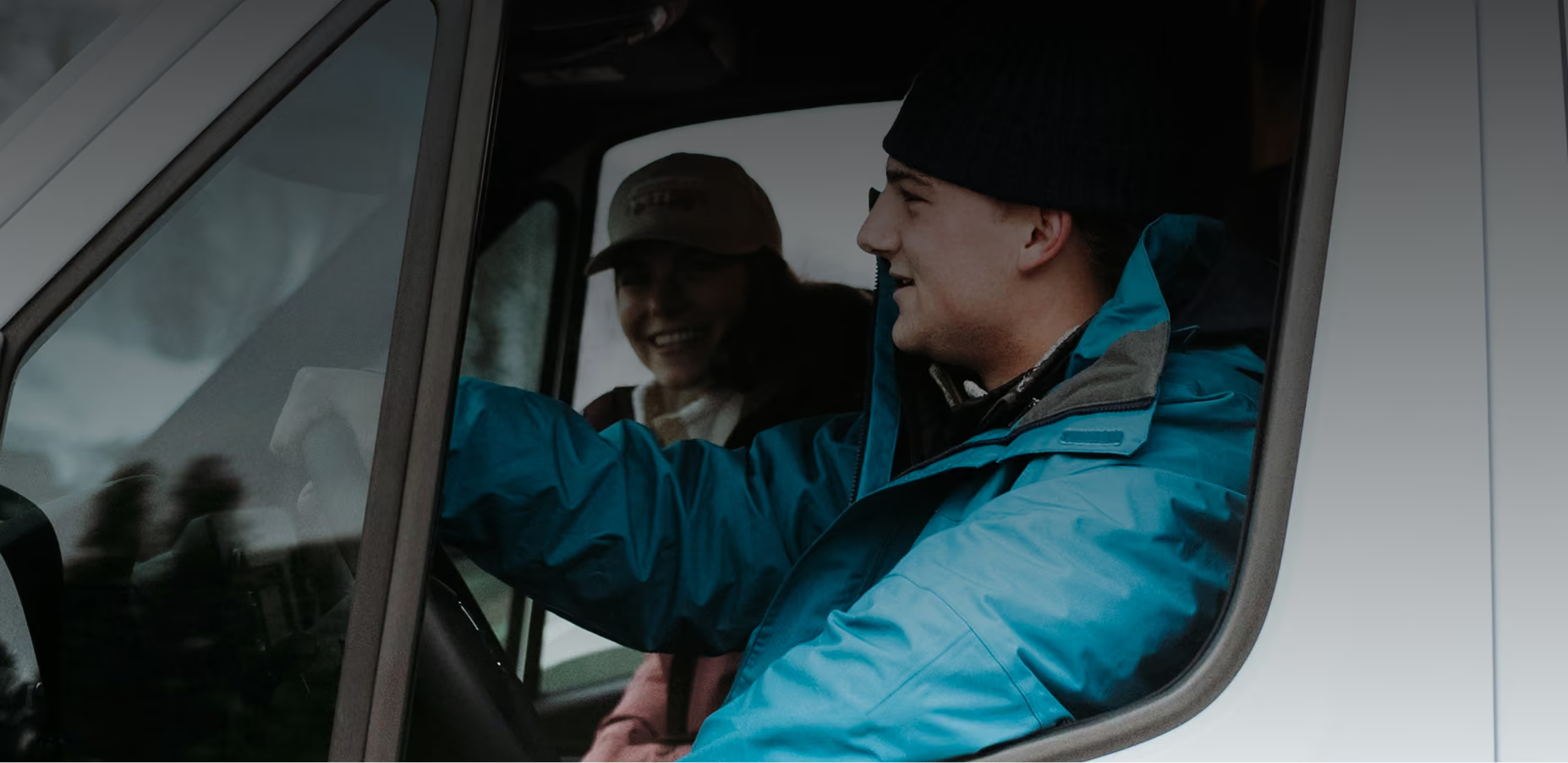
Describe the report, get the report
Problem
No two fleets measure the same way — by depot, by contract, by shift, by customer. Canned templates never quite fit, and everyone ends up in a spreadsheet at month-end. A chatbot gives you an answer you can't schedule, can't share, and can't put in front of an insurer.
Solution
Describe the report you need in plain language. RideView produces a real report that is saved, scheduled, shareable, and repeatable.
Outcome
Custom reporting without the spreadsheet. Leadership gets the answer they need without raising a support request.
Eleven years of helping partners win
Everything you need to launch, sell and support video telematics.
One window for everything
Cameras, SIM cards, memory cards, fulfilment — plus leasing and OPEX in select markets, so there’s no capital outlay.
No channel conflict
We never sell to fleets. Our only route to market is through partners, so your customers stay yours.
Device integration
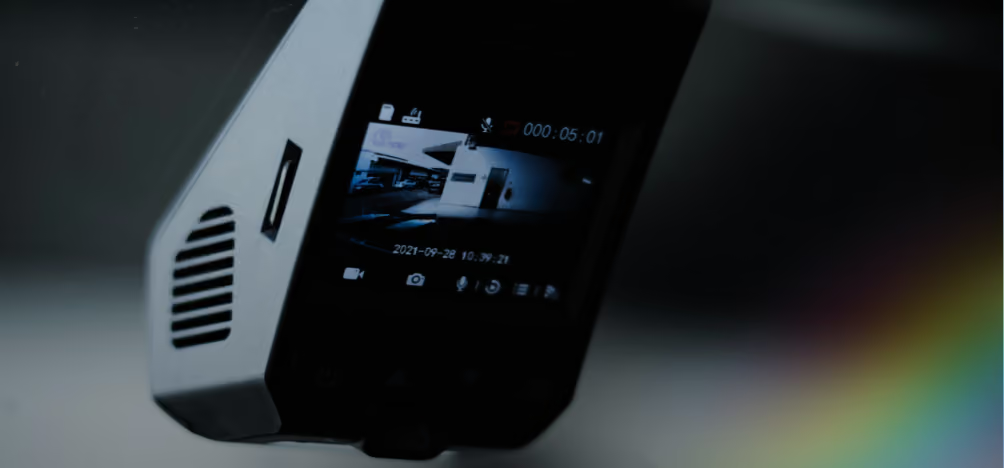
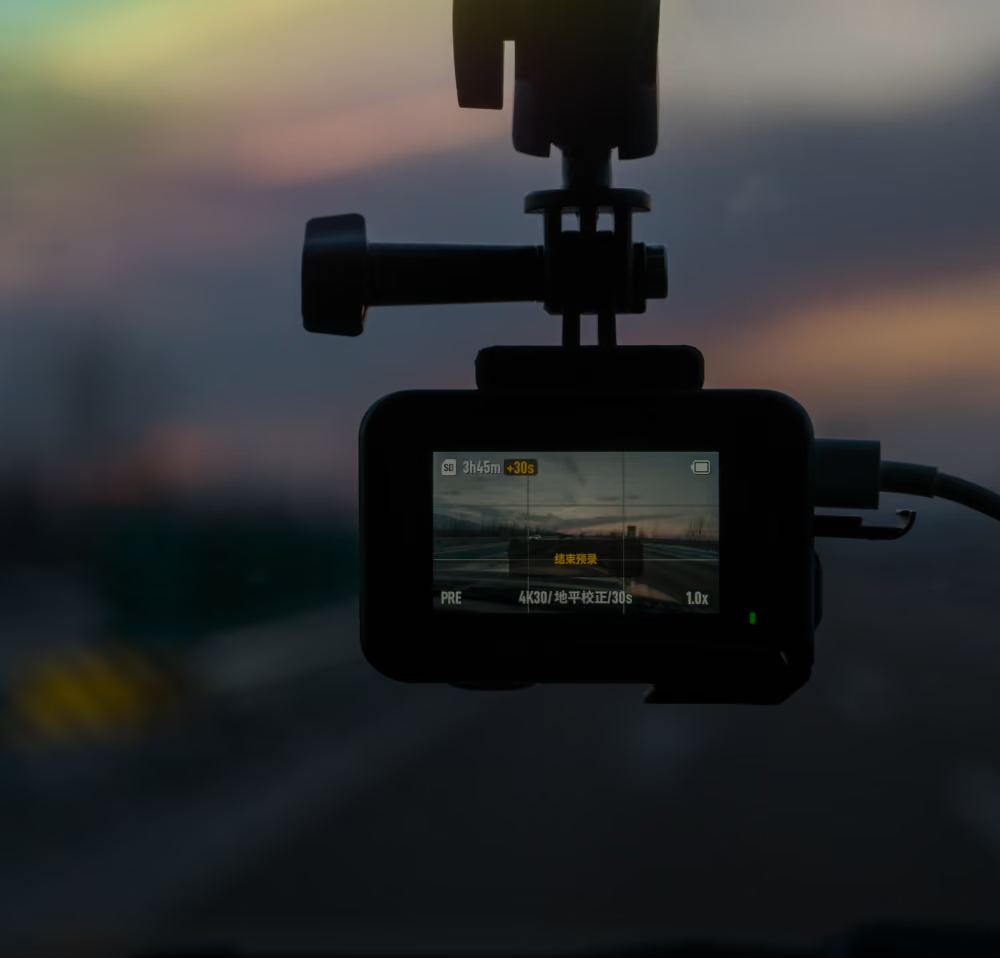
Run your own app on the camera —tracking, ELD, whatever you ship — and we handle the OTA. Or feed us driver ID, speed and more from your telematics device, in real time.
Cloud integration, at your pace
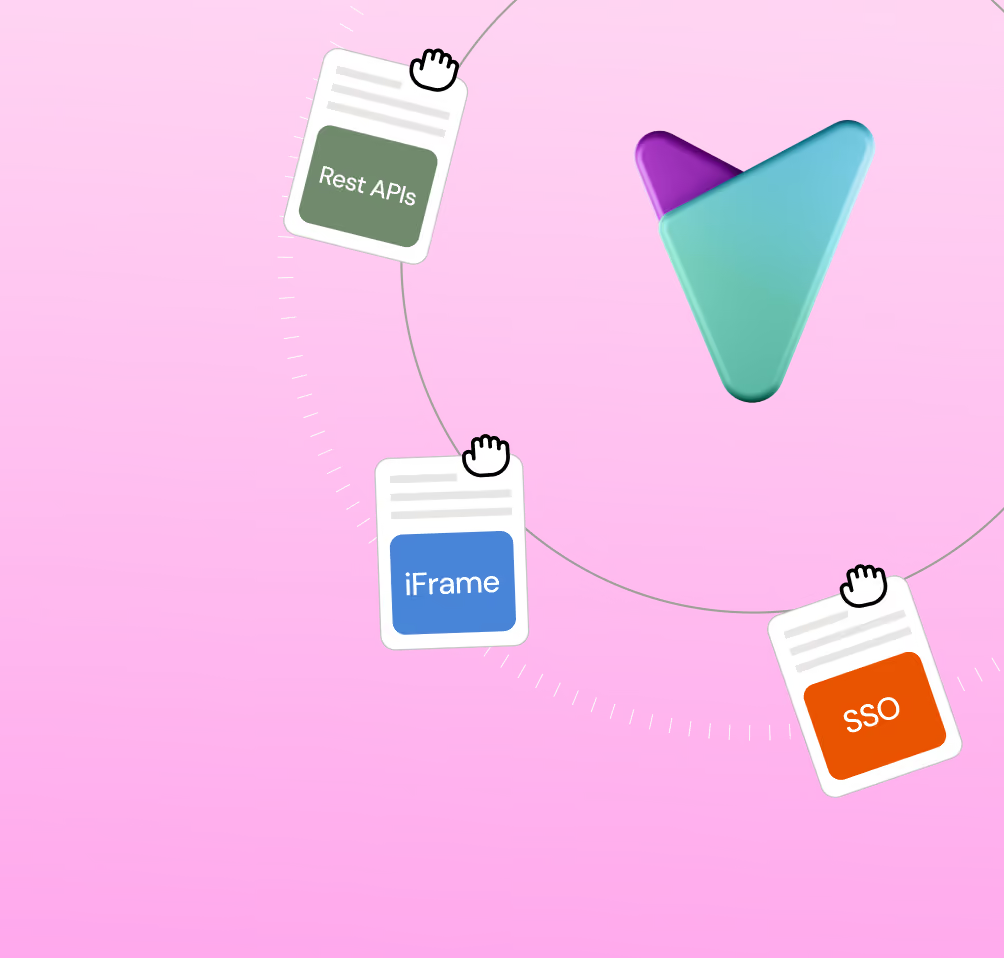
Rebrand with SSO in weeks. Or i-frame it into your dashboard, call our server APIs, or integrate fully. Start shallow, go deeper when it suits you.
Device management at scale
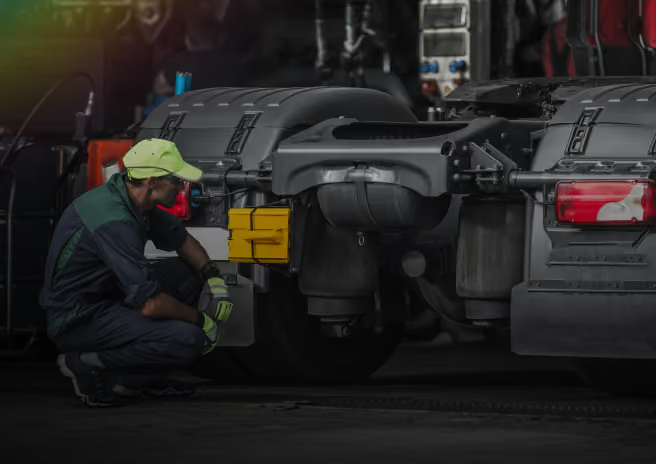
Diagnostics, provisioning, OTA. A video telematics programme rarely fails on features; it fails when support can’t scale with the install base.

One company responsible
Hardware, software, connectivity, shipping.
When something breaks there’s one number to call and nobody to pass you along to.
All IP built in-house
Every layer is ours, which is why bugs get fixed rather than escalated — and why we can build something new when your customer asks for it.
RideView runs on 10+ camera models from three manufacturers — the same AI, the same features, and the same UX regardless of which camera you choose. Different cameras suit different fleet types, price points, and regional requirements. Whatever hardware your customers use, the backend and dashboard experience are identical.
Every event flagged by the on-camera AI goes back through cloud-based Visual Language Models before it reaches a person. The cloud has context the camera never had — longer footage, driver history, location, road type, and conditions. What passes through has been verified twice. Precision on distracted driving moves from 86% to 94%, drowsiness from 75% to 90%, tailgating from 91% to 99%.
Three paths, depending on how deep you want to go. Rebrand the fleet portal with SSO and launch in under three weeks. I-frame it into the dashboard your customers already use. Or build on the same APIs we build our own portals on — not a thin export layer, the full stack. Start shallow, go deeper when it suits you.
In a secure, multi-tenant cloud with data residency in every key market — data stays where the regulator expects it. LightMetrics is ISO 9001, ISO 22301, and ISO 27001 certified, and GDPR compliant.
The installer app makes the camera self-install — any technician in a fleet can fit one in under 15 minutes. Guided, step-by-step, with automatic calibration. No specialist engineers required. Partners get the source code to rebrand the app or drop components into an app they already have.
See RideView in action
Talk to us — we'll show you exactly what it looks like for your fleet customers.