
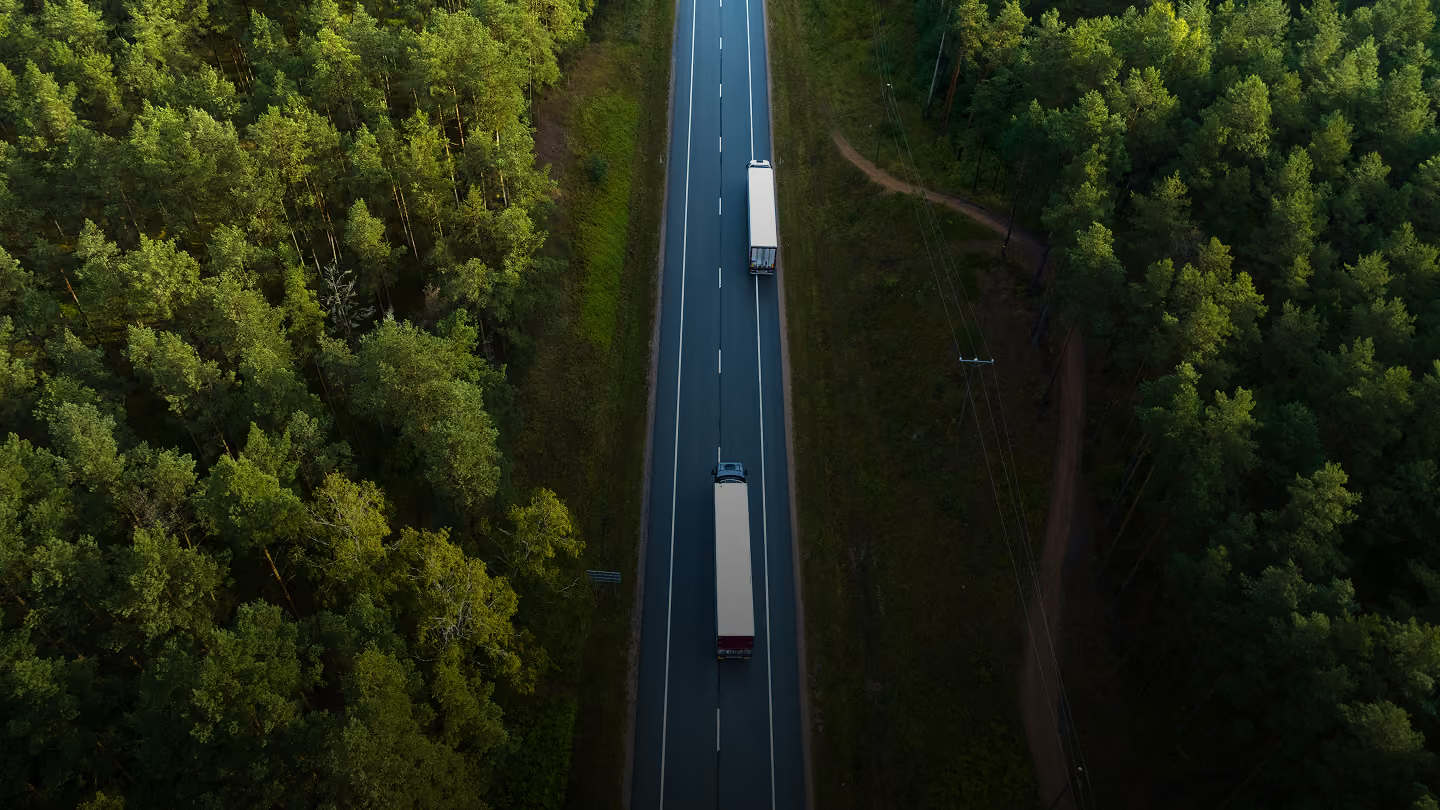
Making roads safer for everyone, everywhere
We build RideView — the complete video telematics platform and put it to work through the telematics providers and vehicle manufacturers that fleets already trust.
02. The decision to leave
We left in 2015. The future everyone was funding was the driverless car. We wanted to matter sooner. 94% of crashes trace back to human error and those drivers were already on the road.
Our first product was an Android SDK that turned any smartphone into a dashcam. The cheapest camera in the world was already in every driver's pocket.
03. The choice that shaped everything
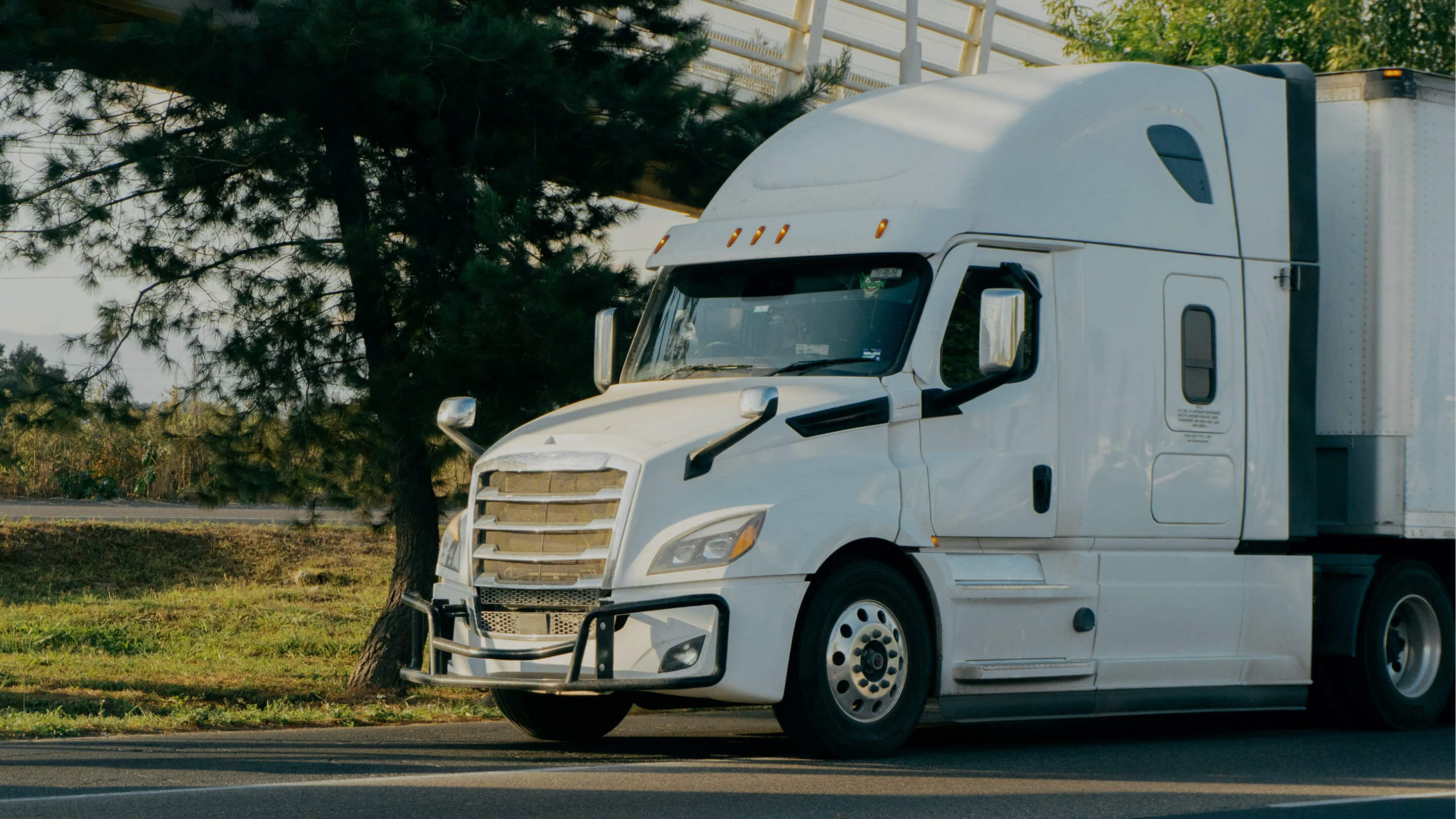
We could have built something excellent and expensive for the few. We chose to build something that could reach everyone, which is exactly what years of building for the cheapest hardware in the room had prepared us for.
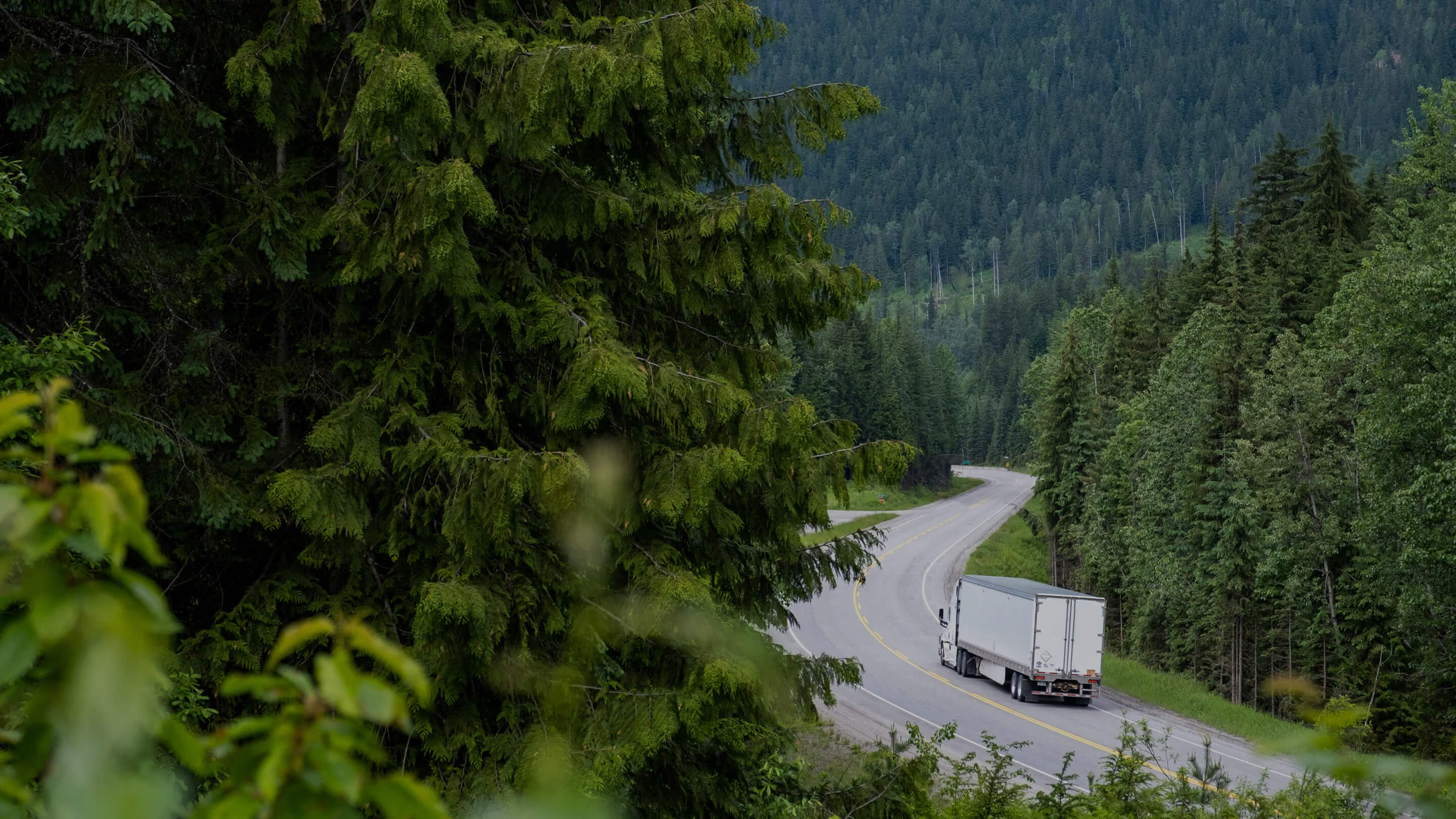
Making roads safer for everyone, everywhere wasn't a line we wrote later. It's the choice we made at the start
Five things we've never changed our mind about
The partner model
Many Cameras, One Experience
Efficient edge AI
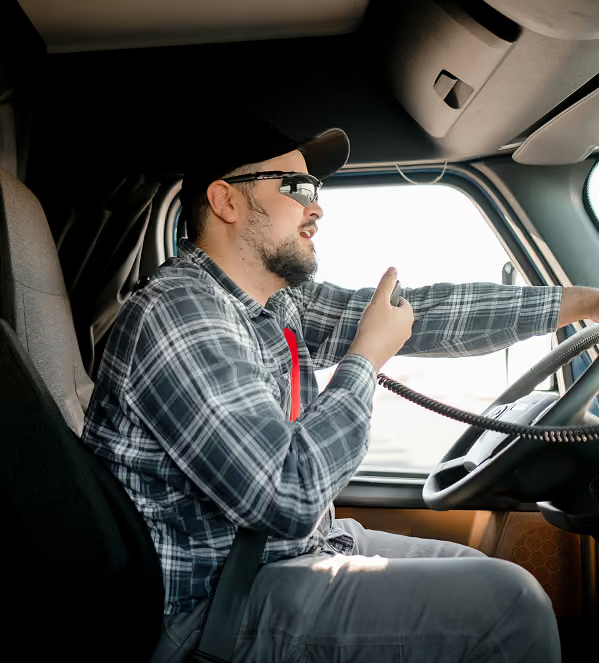
Workflows, Not spec sheets

Everything built in-house
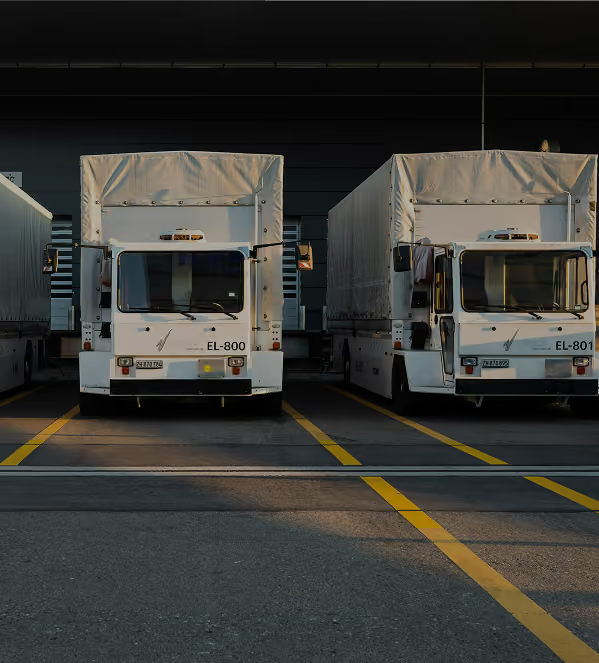
The partner model
No fleet wants a separate app for video. They want their vehicles, drivers, and footage in the system they already run. It's why we build for the telematics providers and vehicle manufacturers fleets are already using — not to add one more screen of our own.
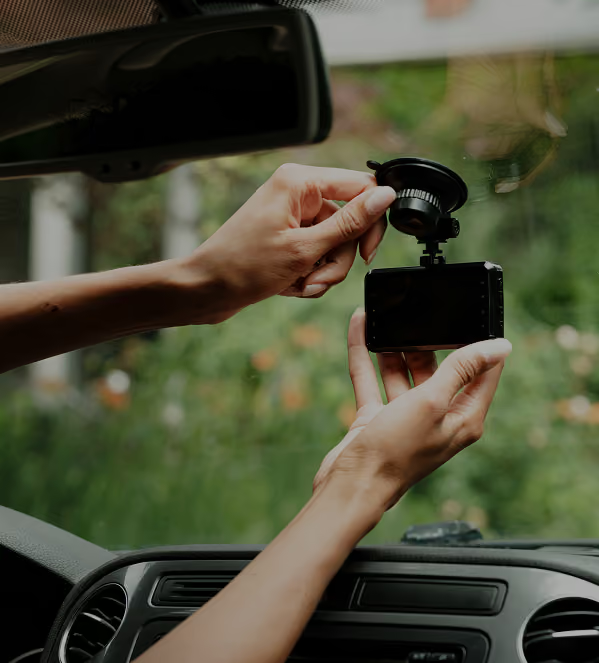
One size does not fit all
A last-mile van and a long-haul tractor don't face the same risks. So there's no single right camera, which is why we support a range of them, at different price points, with the same screens, workflows, and APIs behind all of them. The camera changes, the experience doesn't.
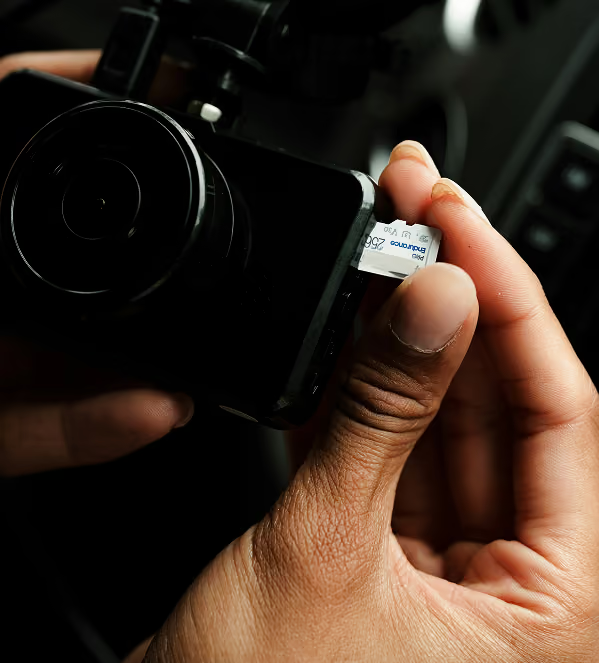
Anyone can do more with more
Running AI on an expensive processor isn't a hard problem. Running it on a constrained device is — more behaviours detected, on hardware a fleet can actually afford. That's where we've put our effort, and it's what makes the technology reachable rather than exclusive.
Outcomes over features
A spec sheet is easy to match. A quantifiable outcome with fewer false alerts, fewer risky miles driven, is harder to copy and the only thing that matters after the sale. It's why we spend as much time on what surrounds the AI (the alert a driver trusts, the queue a manager can clear, the coaching that actually happens) as on the AI itself.
We don't let people down
Everything is built in-house — firmware, AI, cloud, dashboards, apps. So when something breaks, it's ours to fix. When a customer has a problem we don't solve yet, we go and solve it. Eleven years on, the engineering is still the part of this company we're proudest of.
5B
Miles Analyzed
100+
Partners
15+
risky behaviours detected
28
AI models running on the camera itself
9K+
fleets running RideView
15
camera models from 3 manufacturers
RideCam launches: a camera that pairs with the in-cab ELD tablets American truckers already use, with AI running on the tablet itself.
Posted speed limits, stop signs, tailgating, lane drift — plus APIs for driver behaviour insights.
LightMetrics is founded
We refocus from India to North America. The same problem everywhere, but the fleets ready to invest in solving it were there first.
We add a dashboard partners can put their own brand on. A partner can now go to market in weeks instead of building their own front end.
BeeNext and angel investors back a seed round.
The smartphone dashcam reaches its first users — and shows us its limits. Phones were never built to live on a windscreen. We needed a real camera.
RideView 2.0: a fully integrated camera, no tablet needed. Driver-facing AI arrives — distraction, drowsiness and more.
LightMetrics goes global, with deployments in Australia, Brazil, Mexico, India and beyond.
PeakXV invests. The first OEM-embedded solution ships — video telematics fitted at the factory.
Video Telematics 3.0: workflows, not just features. Automated triage puts the ten events worth reviewing in front of a safety manager instead of a thousand.
Neural-network video compression launches — the first and still the only one in video telematics. Every video costs less to send and store.
Push-to-talk. Self-coaching. One device carrying vehicle and video telematics together. The journey to Video Telematics 4.0 starts here.











Trusted and proven across 6 continents
The leadership


Soumik Ukil
CEO
|
Co-Founder
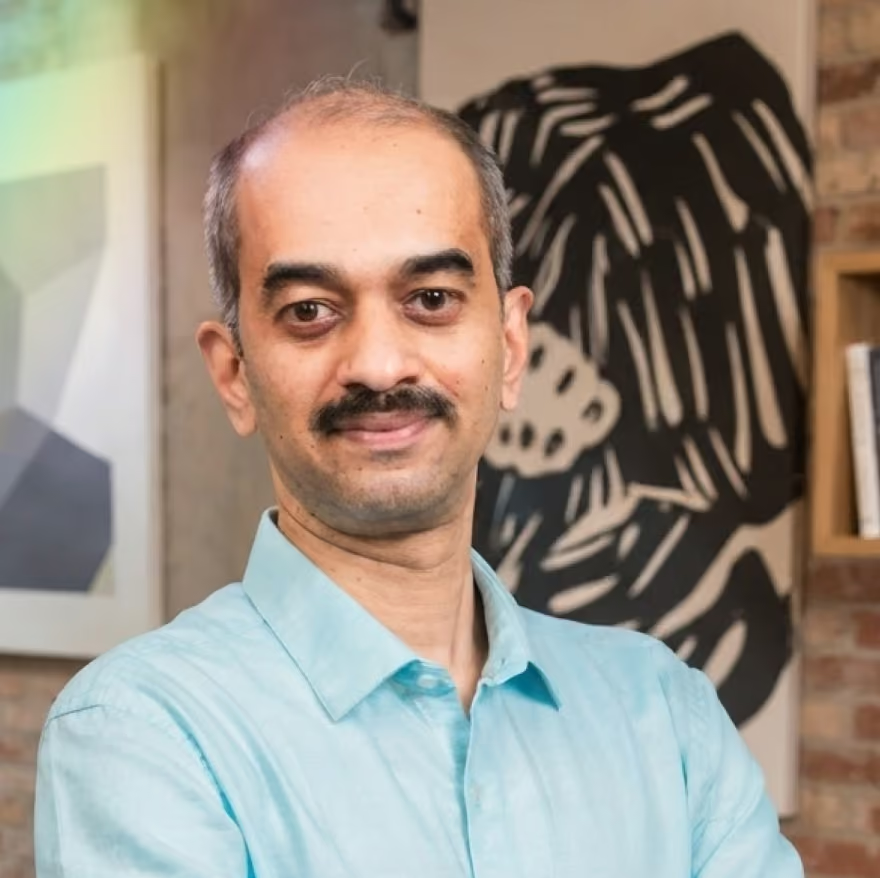
Ravi Shenoy
CTO
|
Co-Founder
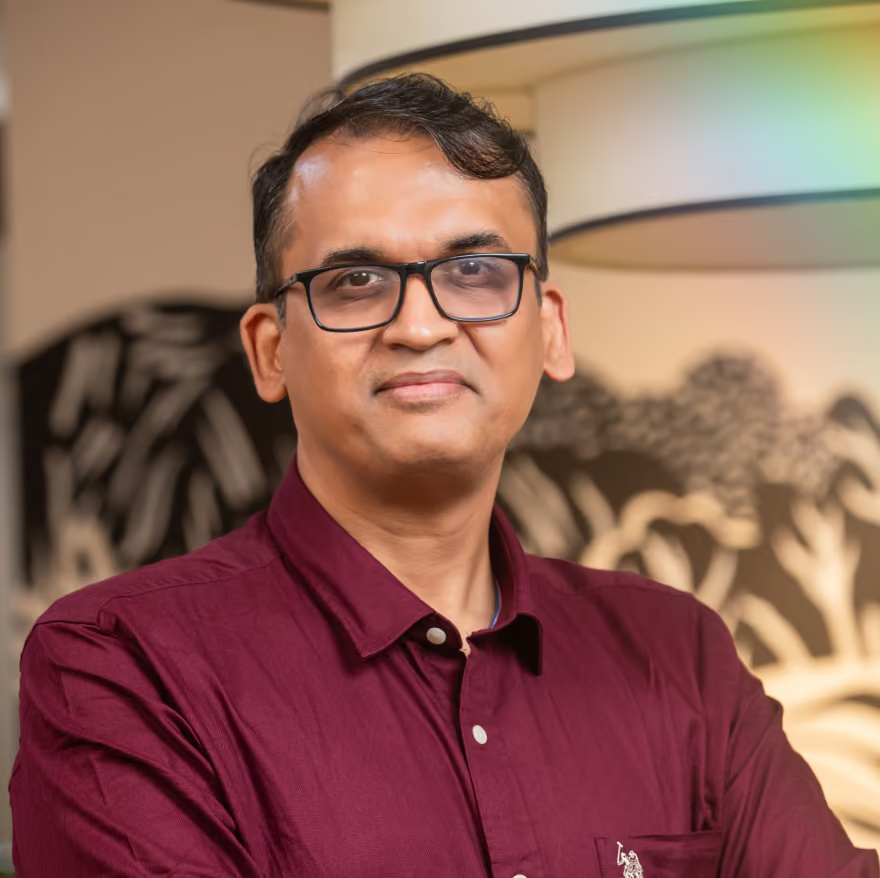
Pushkar Patwardhan
Head of Backend and Analytics
|
Co-Founder

Mithun Uliyar
Head of Computer Vision and AI
|
Co-Founder

Krishna A. G.
Head of Product and Marketing
|
Co-Founder
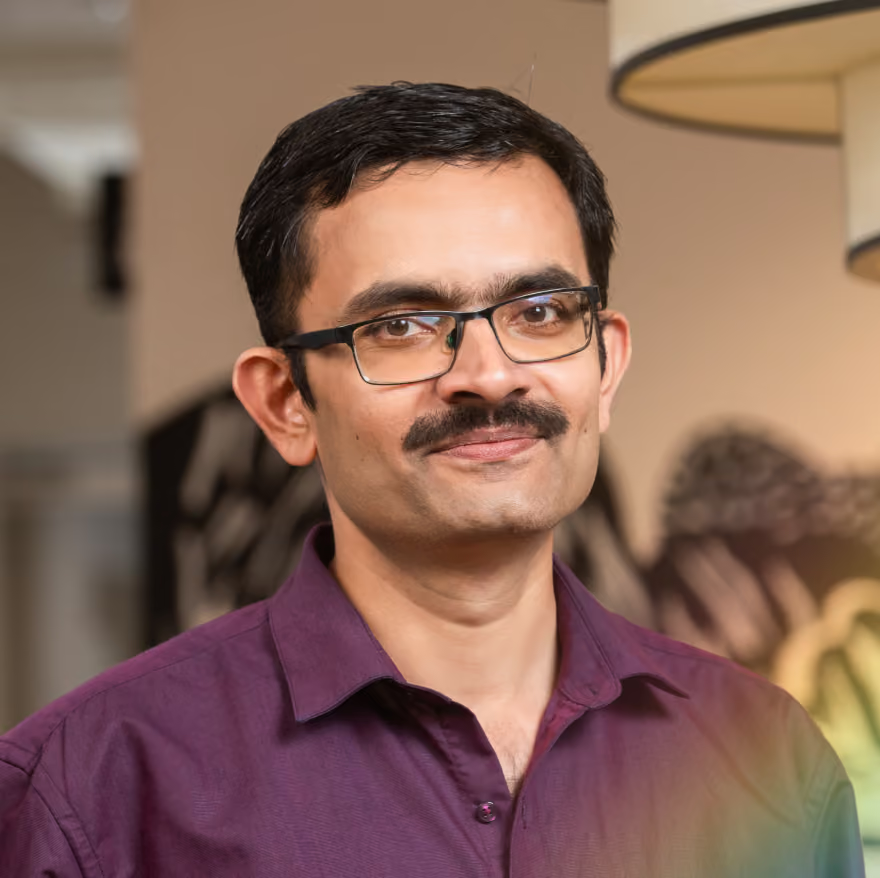
Gururaj Putraya
Head of Systems Software
|
Co-Founder
In the news

From footage to foresight: The AI transformation of video telematics

AI-powered video telematics replaces GPS for fleet safety, says LightMetrics CEO

How LightMetrics Is Building AI for Safer Fleet Operations

How LightMetrics Is Building AI for Safer Fleet Operations

LightMetrics: Turning Cameras into Intelligent Safety Systems

India’s Connected Fleets Face a New Safety Challenge: Making Data Actionable

Safety is where we started
What video proves next is the work itself — how a mine moves material, how a construction site runs its yard, how a waste route gets finished. We call this Video Telematics 4.0.
*Each was ahead of the market when we started it. Each shipped.
2017
Edge AI running on a tablet — before the market knew it needed it.
2021
Driver-facing AI — distraction and drowsiness, detected in real time.
2024
Workflows instead of features — ten events worth reviewing, not a thousand.
2025
Neural-network video compression — the first and still the only one in video telematics.
Build with us
If your business serves fleets — as a telematics provider, a vehicle manufacturer, or an insurer, tell us what you're trying to launch. We'll tell you honestly whether we're the right people to build it with.
Run a fleet?
You'll get RideView through a telematics provider, not directly from us. Tell us where you are and we'll point you to the ones who offer it near you.